
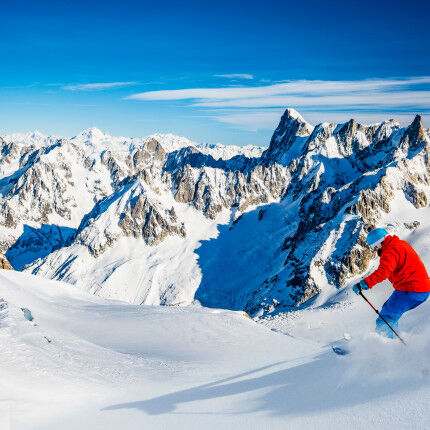
How to start freeride skiing: Equipment and essential tips
Freeride skiing is a captivating discipline, offering an exceptional off-piste skiing experience. Our advice will help you get started safely and make the most of your skiing adventure. In this article, Speck-Sports explores the basics of getting started in freeride skiing. We'll be highlighting the equipment that's essential, as well as the key criteria to consider for this type of skiing.
What are the essentials for Freeride skiers?
Freeride skiing is much more than a simple descent down off-piste slopes. It's an adventure in its own right, a communion with the mountains and virgin snow. However, to make the most of this uniquewinter experience, it's essential to be properly equipped. Key elements of freeride equipment, such as skis, bindings, helmet, bag, jacket and boots, play a crucial role. The right equipment ensures your safety, comfort and performance on fresh snow when you start freeride skiing.
Choosing your skis
Skis are your most important tool in freeriding, and their choice is crucial. Freeride skis stand out for their specific design, which prioritizes versatility. Their width and shape are designed to float on powder snow, while their robust construction means they can withstand tough conditions. Choose freeride skis adapted to your skill level, size and riding style. Freeride skis offer exceptional buoyancy in fresh snow, meaning you can navigate powder with ease. They're also designed to adapt to a variety of terrain, from steep slopes to undergrowth. This makes them a versatile choice for skiers who want to get away from the slopes and start freeride skiing.
Which freeride ski bindings?
Ski bindings are the link between your skis and boots, and their importance should not be underestimated. In freeride skiing, where conditions can be unpredictable, opt for sturdy, reliable ski bindings. Ski bindings offer customizable DIN adjustment, which means you can adjust them according to your weight and skill level, ensuring adequate release in the event of a fall through the snow. Quality ski bindings guarantee optimal transmission of power from your legs to your skis, improving your control on the descent.
The right ski helmet
Wearing the right ski helmet is an intelligent decision to protect yourself in the event of a freeride fall or collision. Modern helmets incorporate advanced technologies to absorb impact and minimise the risk of head injury.
Ski helmets are an essential part of off-piste safety. It protects you from potential head injuries and provides better thermal insulation, keeping you warm on those icy days on skis.
A ski backpack
A backpack specially designed for freeride skiing is a practical and safe item. It allows you to carry your avalanche safety equipment, snacks, water and extra layers. Look for an ergonomic backpack with straps to secure your skis when you're traversing hard-to-reach off-piste areas. You can also opt for a backpack with an integrated airbag for extra security in the event of avalanche risk.
The ski backpack lets you carry everything you need, including an avalanche kit. It contributes to your comfort and emergency preparedness.
A ski jacket
The choice of your ski jacket is essential to cope with the cold and snow. Opt for a waterproof, insulated jacket to protect you from the cold and bad weather. Ski jackets with ventilation zippers allow you to regulate your body temperature as you ascend or descend to higher altitudes. A quality ski jacket protects you from the elements, keeps you dry and warm, and lets you regulate your body temperature for optimum comfort on your off-piste adventures.
Freeride ski boots
Freeride boots should be comfortable, warm and supportive. Choose boots specifically designed for freeride skiing. They'll give you the right balance between downhill performance and comfort on the slopes. A precise fit is essential for better control of your skis, especially when starting out in freeride skiing.
Ski boots designed for freeride skiing enhance your skiing experience. They provide adequate support and efficient power transmission. They are also more comfortable for climbing and touring.
In short, these freeride essentials will help you get the most out of this sport. Freeride skiing offers incomparable freedom in powder snow. However, it's important to be properly equipped to avoid unnecessary off-piste risks. With the right equipment, you can explore the wilderness with confidence, enjoy unforgettable adventures and push your limits away from the slopes.
4 criteria to consider when starting out in freeride skiing
For skiers wishing to enter the exciting world of freeride skiing, it's essential to understand the criteria that guarantee both pleasure and safety when skiing off-piste. Freeride skiing offers unparalleled freedom in the mountains. But it also entails risks that need to be taken seriously, especially when you're a beginner.
Safety
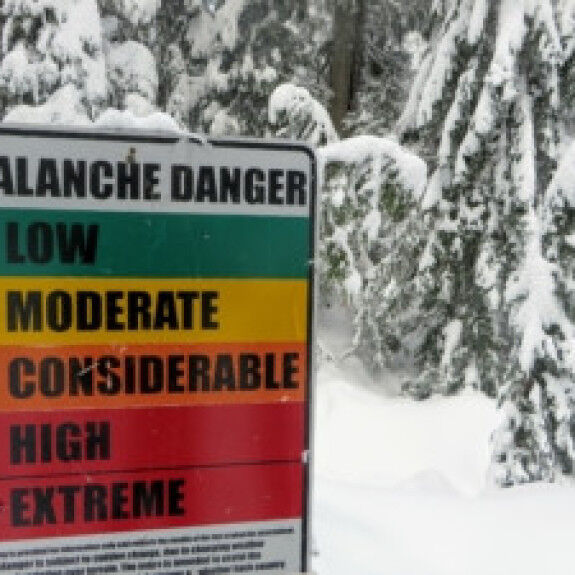
Safety is the number one priority in freeride skiing. Before you set off, make sure you have the necessary skills and equipment to deal with the potential dangers of off-piste skiing. Here are some key points to bear in mind:
- Avalanche kit: Before leaving the marked trails, make sure you have a DVA transceiver, a probe and a snow shovel for avalanche situations. Avalanche risk training is also highly recommended to learn how to use this equipment effectively.
- Training: Acquiring skills in mountain first aid and avalanche risk assessment is essential. Take part in courses or hire an experienced guide to introduce you to freeride skiing.
- Planning: Before each outing in the snow, draw up a travel plan, inform someone of your planned itinerary and check the weather forecast and avalanche bulletins.
The terrain
The choice of terrain is crucial when starting out in freeride skiing. The mountains offer a variety of terrain. However, it's important to understand how each type of terrain can influence your performance. Here are a few points to consider:
- Skill level: Start on gentler, less technical slopes to develop your skills. Gradually progress to more difficult terrain as you gain confidence and experience on your skis.
- Risk assessment: Before skiing down a slope, assess potential hazards such as avalanches, crevasses, cliffs and hidden obstacles.
- Route selection: Plan your route according to your skill level, weather conditions and avalanche danger. Always follow the warnings and recommendations of local authorities.
Bad weather on the slopes
Mountain weather conditions can be unpredictable. You need to be prepared for a wide range of conditions, from fair weather to blizzards, especially when skiing off-piste. Here's how to prepare:
- Weather monitoring: Before each outing, check the local weather forecast and be prepared to postpone or cancel your outing in the event of dangerous conditions.
- Appropriate equipment: Wear sportswear suited to the conditions. A waterproof ski jacket, insulating layers, warm gloves, hat and ski mask are essential.
- Navigation: Carry a map, compass or GPS to help you find your way in poor visibility conditions.
What ski equipment do I need to start freeriding?
The ski equipment you choose has a significant impact on your freeride skiing experience. Make sure your equipment is suitable for this demanding discipline:
- Skis: Opt for skis specifically designed for freeriding, with a width and shape adapted to powder snow and varied terrain. Choose the right length for your height and ability.
- Clothing: invest in quality ski clothing, especially a waterproof jacket and thermal layers. Make sure you have accessories such as warm gloves, a hat and goggles.
In short, before venturing out on a freeride ski, consider these four essential criteria: safety, terrain, weather andski equipment. With the right preparation and caution, you'll be able to enjoy this discipline to the full. Freeriding offers an unforgettable experience for adventurous skiers. However, it's crucial to be well-informed and well-equipped if you're to enjoy the sport without risk.
For those who want to know how to ski freeride, it's essential to understand theimportance of quality equipment and the precautions to be taken. Skis, bindings, helmet, backpack, jacket and boots are all essential for a successful off-piste experience. What's more, respecting mountain safety criteria, choosing terrain wisely, keeping an eye on weather conditions and maintaining your equipment are all key to freeride skiing. Freeride skiing offers unforgettable moments in the heart of pristine wilderness. But don't forget that caution and preparation are your best allies for an unforgettable freeride experience.
To find out more, read our article on how to choose your ski bindings.

By choosing a pair of socks that are suited to your activity, your shoes, your foot type (arch, size, and the shape of both your right and left feet), and the conditions you’ll be facing, you’ll avoid blisters, chafing, moisture, and unpleasant surprises.
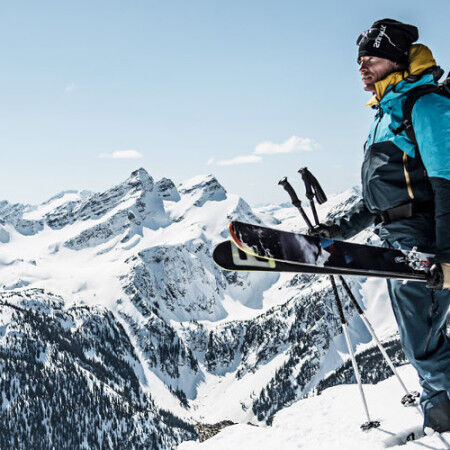
Salomon is a French brand, active in a wide range of outdoor sports. Discover its many new products!
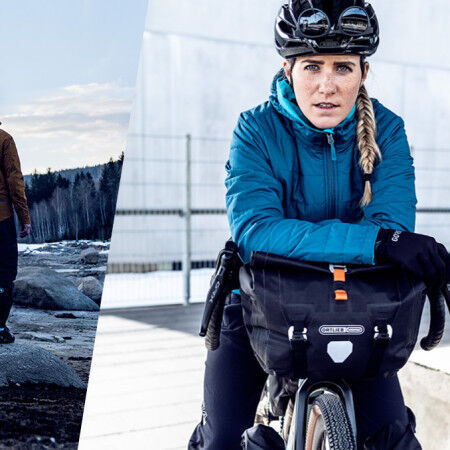
Discover Speck-Sports' advice on how to choose the right bikepacking equipment for your mountain biking adventure.
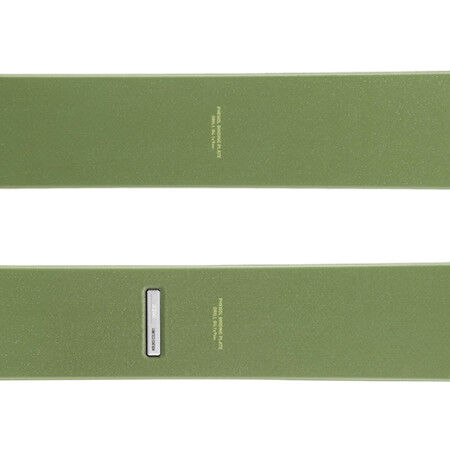
Today Speck-Sports presents the Faction Candide CT 5.0 skis, a must-have this season, available in stores now