
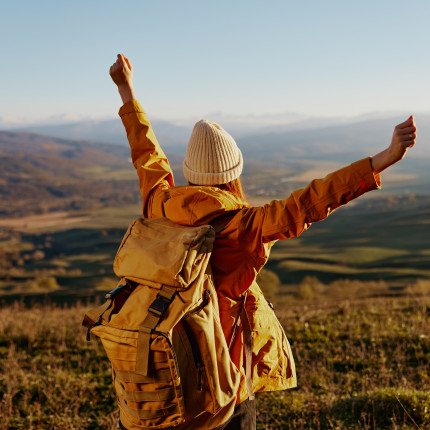
How do you pack your trekking bag?
You're off! You've decided to organise your first trek into the wilderness and discover the joys of camping in the mountains. Preparing your trekking bag is one of the most important parts of the trip. An ill-prepared bag can lead to overload, injury and a bad time.
In this article, we offer you a guide to preparing your trekking bag optimally and efficiently.
Choosing your trekking bag
First of all, it's essential to choose the right backpack for your trip. For a one-day, one-night bivouac trek, we recommend at least a 40-liter backpack to carry all your gear. The backpack will be built differently depending on whether you're a man or a woman, and you need to link the volume in liters to your practice. Many brands, such as Osprey and Deuter, manufacture bags adapted to the gender and size of each person, to optimize the weight distribution of the hiking bag and make it more comfortable to carry.
What to pack in your trekking backpack?
Sleeping gear
Unless you want to sleep on the ground to the detriment of your sciatica, it's essential to have basic trekking gear.
The first thing you think about when you want to go camping is your sleeping bag. The model you choose will depend on where you're trekking and the time of year. It's also important to consider the sleeping bag's comfort temperature. But we explain all that in this article on how to choose your sleeping bag.
It's also important to have a mattress. After all, it's towards the ground that the most heat is lost. Here, you can opt for a simple foam mat, or an inflatable mattress. It's important to pay attention to the R-Value of a mattress. This is a unit of measurement of a mattress's insulating capacity.
While some adventurous hikers may want to sleep under the stars, having a tent provides better protection from the cold, wind and rain. It's advisable to choose a tent adapted to the number of hikers who will be sleeping in it. This will ensure that the tent is not too heavy or takes up too much space in the bag. You should also pay attention to the season for which the tent is designed, even if the majority of models sold are 3-season tents. This means they can be used in spring, summer and autumn.
Food for the table
Once you've got everything you need to sleep, the second most important thing is to eat. Whether you decide to bring back freeze-dried meals, pasta or rice, enjoying a good hot meal is always pleasant when the cold weather sets in at the end of the day. It's essential to have a stove with you.
To stay hydrated, you can take water bottles or water pouches with you. These can be integrated into the backpack in dedicated compartments. Depending on the temperature, one person needs between 2 and 3 liters of water per day. If there are no drinking water fountains available, it is not advisable to drink the water you find in the mountains, but you can use water bottles or filter straws. These will filter the water of all impurities and make river or lake water drinkable.
Comfortable hiking clothes
When it comes to the clothes to pack, you need to take into account the weather during your hike. While the choice of appropriate clothing will be the subject of a separate article, it's always a good idea to have a windproof waterproof jacket in your trekking backpack. It doesn't take up much space, isn't heavy, and can help out in the event of a downpour or change in the weather.
Miscellaneous equipment
It's also important to pack a variety of other equipment to enhance your comfort when trekking. Even if you don't use it every time, a first-aid kit can be essential in case of a problem. It can contain bandages, compresses, disinfectant and saline solution. You can also add mosquito repellents and a survival blanket.
You should also remember to bring a means of illumination, either a lamp or a headlamp. As for the toiletry kit, you can find toothpaste in tablet form. This will make it easier to carry on trekking or even travelling. Of course, as nature lovers, it's essential to have a garbage bag in which to store your garbage.

How do you organise your trekking rucksack?
Balancing the load in your trekking bag
To make your trek more enjoyable, it's important to balance the load in your rucksack andoptimise the way you store your belongings. The load in the bag should be on your pelvis, not on your shoulders. The heaviest items should be as close to the back as possible. Sleeping gear, such as a tent or sleeping bag, is best stored in the lower part of the trekking rucksack. Small essentials such as a waterproof jacket, first-aid kit or sunglasses should be placed at the top of the rucksack. If your rucksack has external pockets, you'll put items you need to have to hand, such as water bottles or snacks.
Adjusting the trekking bag
Once you've filled your rucksack with all the essentials, it's time to adjust it to your body shape. When you have a load on your back, it's your pelvis that has to bear most of the weight.
So the first thing to do is to adjust the shoulder straps to your height so that the bag sits snugly on your back. Then you need to tighten the belt around your pelvis so that it supports the weight. Finally, if you have a chest strap, you can also adjust it to give you more stability.
Tips for lightening your trekking rucksack
When you want to optimise the weight of your bag, the weight of each piece of equipment is important. Bear in mind that the maximum recommended weight for your rucksack is 20% of the wearer's weight. For example, a hiker weighing 50 kilos can carry a bag weighing 10 kilos.
Every brand of hiking or trekking equipment offers an "ultra-light" range for those who like to walk independently. However, this is often more expensive equipment, and it is possible to save a few grams by adapting your bag.
If you want to go trekking, opt instead for so-called 'technical' clothing, which is generally lighter than everyday clothes. They also often have lots of pockets in which to stow equipment.
There are also items that can be used for several purposes. For example: hiking trousers with zips that can also be used as shorts; a cooking pot that's perfect for cooking meals and doubles as a mug; or soap used for personal hygiene, washing up or washing clothes.
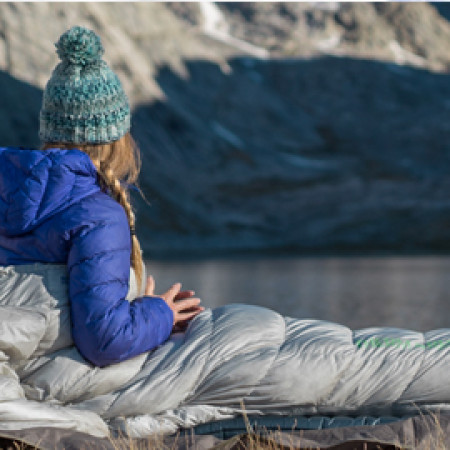
To help you choose the right sleeping bag, read the Speck-Sports guide.
Discover the Lange RX Heritage limited series (only 25 pairs available in France) !
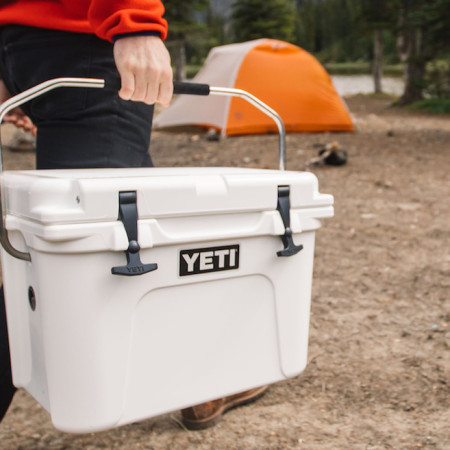
Discover the Yeti coolers from Speck-Sports: robust, high-performance and perfect for keeping your drinks and food cool on your outdoor adventures.
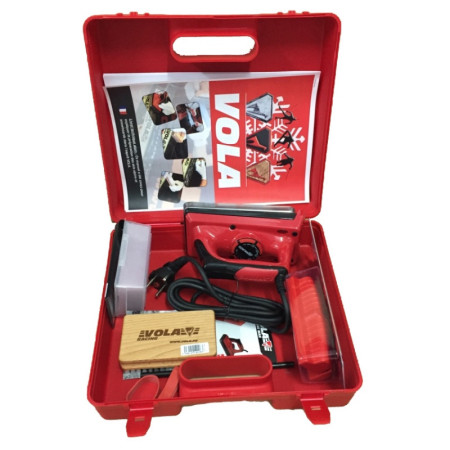
Vola's various kits contain all the essential tools for cleaning, sharpening and waxing alpine skis.