
Getting a Good Night's Sleep While Camping: The Top Priority
Getting a good night’s sleep while camping sets the tone for everything else. A bad night—with the cold gradually setting in and unexpected humidity—can turn a wonderful adventure into an exhausting ordeal. That’s why your sleeping system deserves the most attention and investment.
A lightweight tent: your home for the night
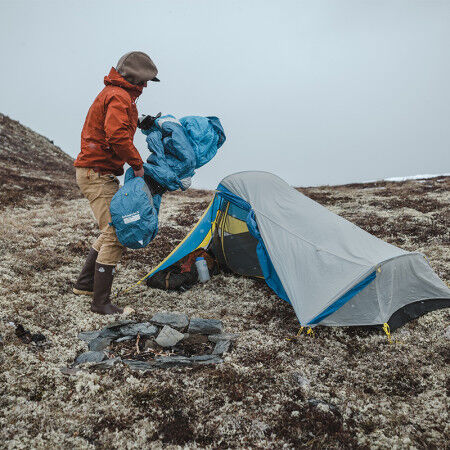
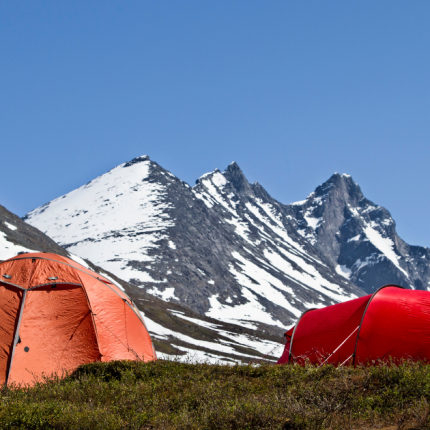
A lightweight hiking tent is the go-to shelter for camping. It protects you from wind, rain, insects, and the nighttime cold. Opt for an ultralight tent weighing between 1 and 1.5 kilograms for one person, or between 1.5 and 2 kilograms for two people. Always check the water column rating, which should be at least 1,500 mm in the mountains, and ideally over 3,000 mm for areas prone to thunderstorms.
A tarp—a simple, lightweight sheet stretched between two anchor points—is a lighter and cheaper alternative to a tent, but offers no protection against insects. A hammock, appealing in forested areas, offers superior comfort on uneven terrain but makes thermal insulation more challenging.
Sleeping Bag: The Right Temperature Rating
The sleeping bag is probably the piece of gear you absolutely shouldn’t skimp on. Products should be chosen based on their comfort temperature and limit temperature. For mountain bivouacking, a comfort temperature between 0°C and +5°C covers the vast majority of situations; in the fall and at high altitudes, go down to -5°C.
The down fill is extremely important: down offers the best balance of lightness and warmth, with a fill power (CUIN) ranging from 650 in entry-level models to 750 and higher in top-of-the-line models. Synthetic fiber, while less lightweight, retains its insulating properties even when wet—a real advantage in very humid environments. For all the details on choosing a sleeping bag based on the season and your budget, our comprehensive guide to selecting a sleeping bag by season walks you through the process step by step.
The Insulated Sleeping Pad
The soil is your main enemy when camping. Even when the ambient air is relatively mild, the soil can be as cold as 5 or 6°C. And that cold seeps directly through your sleeping bag if you don’t have an insulating mat. The R-value measures a sleeping pad’s insulation capacity: aim for an R-value of 3 to 4 for three-season camping, and 5 to 7 for winter or high-altitude conditions.
Self-inflating mats offer a good balance of comfort and insulation, weighing between 400 and 700 grams. Inflatable mats are lighter and more compact but prone to punctures. Closed-cell foam mats are indestructible but do not compress.
Invest in a good insulated sleeping pad from your very first camping trip. A sleeping bag placed directly on the soil loses much of its thermal efficiency.
Cooking and Drinking While Camping
Eating a hot meal while camping provides essential energy and a moment of comfort after a long day of hiking. A gas stove remains the simplest and most common choice for three-season camping, while a multi-fuel stove is designed for winter conditions or high altitudes. When it comes to food, freeze-dried meals are the go-to solution: they’re lightweight, quick to prepare, and require no dishes to wash.
Another essential safety consideration: water filtration. Even in the high mountains, the clearest water can contain bacteria, viruses, or parasites such as Giardia. A portable water filter is now the most practical tool for backcountry camping in the mountains.
Safety, Emergency Preparedness, and Lighting
Beyond the regulations mentioned above, a few lightweight items of gear can prove crucial in an emergency: a powerful headlamp, a suitable first-aid kit, a topographic map and compass, a whistle, and a survival blanket. The headlamp deserves special attention; it should exceed 200 lumens in high mode for nighttime travel over rough terrain, while also offering an economy mode for activities around the campsite.
? In high-mountain areas and regional nature parks, regulations are often more flexible than in lowland areas. Mountain hut attendants are generally the best people to consult regarding local rules and authorized campsites.
Technical Clothing and the Ultralight Approach
In the mountains, temperatures can vary by as much as 20°C between midday and nighttime. The three-layer principle (technical, insulating, waterproof) applies fully to backcountry camping, with special attention to nighttime clothing: long underwear, a technical merino wool top, thick socks, and a beanie make a real difference in nighttime comfort.
The ultralight approach also follows this logic, aiming to reduce pack weight through multifunctional gear, eliminating the unnecessary, and choosing more technical materials. Proper maintenance of your gear—including airing out your sleeping bag and regularly re-waterproofing it—also significantly extends its lifespan.
The Backpack: Fitting Everything In
All this gear must fit into an ergonomic backpack with sufficient capacity. For a one-night self-supported bivouac, aim for 30 to 45 liters; for two nights or more, go up to 50 to 65 liters. Load distribution is just as important as volume: place heavy items close to your back and in the center, bulky and lightweight items at the bottom and on the sides, and frequently accessed accessories in the pockets. To choose the right size and fit for your body type, our guide on how to choose a hiking backpack goes into detail.
Conclusion on Preparing Your Campsite
There you have it—you now have a clear overview of how to put together your camping kit and set out with complete peace of mind. Remember the essentials: never skimp on your sleeping gear—the tent, sleeping bag, and insulated mat are the heart of the backcountry camping experience and deserve the best investment. For everything else—cooking, water, safety, and clothing—our dedicated guides will walk you through each step based on your specific plans.
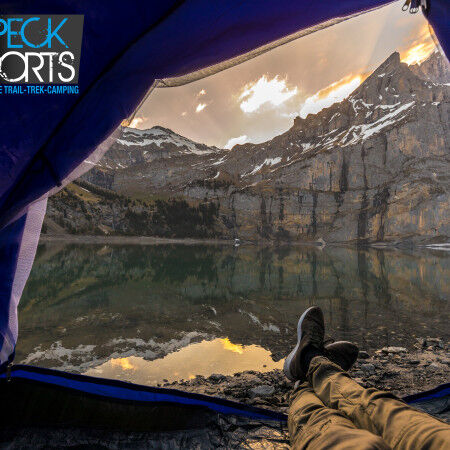
And above all, enjoy yourself. A night camping deep in the mountains, with the sunrise over the peaks as your only alarm clock, is an experience you’ll never forget.
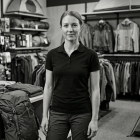
Planning your first bivouac? Stop by our store! Our team knows every piece of gear we carry and will take the time to advise you based on your plans.