
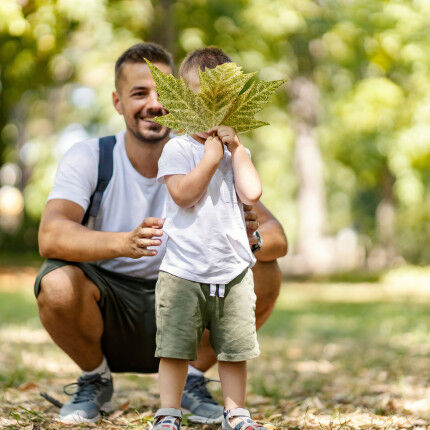
Hiking with your children: what equipment should you pack?
Hiking is a great activity for the whole family. It allows children to discover nature, exercise themselves and develop their curiosity. However, to get the most out of the experience, it's essential to choose the right equipment for young children. In this article, Speck-Sports presents a practical guide to what equipment you need to take your children hiking this summer.
Comfortable, appropriate children's hiking boots
When you go hiking with your children, choosing the right shoes is crucial. Children's feet are still growing, which means they need proper support to avoid pain and injury. Good footwear is part of the hiking gear that children should take with them.
First of all, make sure you choose hiking boots that are suitable for your children's size. Their feet can grow quickly, so it's best to measure their feet before making your purchase. Opt for shoes that offer enough room for their toes to avoid chafing and blisters.
Next, opt for lightweight shoes so that your children don't feel weighed down while hiking. Shoes that are too heavy can quickly deplete their energy and make walking difficult. Look for models specially designed for children, which are often lighter but still offer good support
Waterproofing is also an important factor to consider. When hiking, you may encounter streams, puddles or even rain, and waterproof footwear will keep your children's feet dry and comfortable throughout the excursion. Choose footwear with a waterproof/breathable membrane to protect against moisture. Some models feature Gore-Tex technology to keep your children's feet perfectly dry.
Last but not least, make sure the shoes offer good ankle support. Hiking can be rugged, and it's important to protect your children's ankles from sprains. Choose shoes with a high or medium upper for extra support. Laces should provide a snug fit to prevent slipping and injury.
Before setting out on a hike, make sure your children wear their shoes to get them used to them, and check that they fit properly. Encourage them to walk a little in their new shoes to make sure they feel comfortable and confident.
In summary, choosing comfortable, well-fitting footwear is essential to ensure your children's comfort and safety on your hiking adventures. Opt for lightweight, waterproof hiking boots with good grip and ankle support. By choosing the right footwear, your children will be able to enjoy hiking to the full and create wonderful family memories.
Take along weather-appropriate clothing
When preparing your children for a hike, it's important to choose clothing suited to changing weather conditions. Layered clothing is the key to allowing your children to adjust easily to the weather and stay comfortable throughout the excursion.
The first layer of clothing should be light and breathable. Choose T-shirts or tank tops made from technical materials that wick moisture and dry quickly. This will keep your children dry even if they sweat during physical exertion.
Next, add an insulating mid-layer to protect them from the cold. Lightweight fleeces or down jackets are ideal for retaining body heat. Make sure this layer is easy to remove or layer as needed, so your children can regulate their temperature.
If you're planning to hike in rainy conditions, it's essential to pack waterproof clothing. Opt for breathable waterproof jackets and pants, which will protect your children from the rain while preventing the build-up of perspiration. Make sure these garments are also lightweight and easy to store in the backpack.

Don't forget to include accessories to protect your children from the sun. Wide-brimmed hats or caps are essential to protect their faces, heads and necks from UV rays. Choose models with built-in sun protection for optimum protection. Don't forget sun cream for other exposed parts of the body.
Depending on the season and the region in which you're hiking, it's also important to consider other items, such as gloves or hats for the cold, sunglasses to protect their eyes, or light, breathable clothing for summer hikes.
Before setting off on a hike, check the weather forecast and dress your children accordingly. Explain to them the importance of dressing properly and encourage them to get involved in choosing their clothes. This will help them feel comfortable and ready to face any conditions.
In conclusion, by choosing weather-appropriate clothing and favoring layered garments, you'll keep your children comfortable and protected throughout the hike. Be sure to include clothing for all weathers. Raincoats for the rain, hats or caps for the sun and other appropriate accessories depending on the specific conditions. Proper preparation will ensure a safe and enjoyable hiking experience for the whole family.
The right rucksack for hiking with your children
When you go hiking with your children, it's a good idea to allow them to carry their own rucksack. This gives them a sense of independence and makes them responsible for packing their own equipment. Here are a few key points to bear in mind when choosing a backpack suitable for children.

First of all, make sure you choose the right size backpack for your child. Children's backpacks are specially designed to adapt to their body shape and stature. Opt for a model that is adjustable at the shoulder straps and waist belt to accommodate their growth and ensure a comfortable fit. The shoulder straps should be padded to distribute the weight evenly and avoid pressure points on the shoulders. There are some colourful and fun hiking backpacks that are sure to get them excited about hiking! The Deuter and Osprey brands offer a wide range of backpacks suitable for children.
The backpack's carrying system is also crucial. Look for a backpack with a padded back panel that promotes air circulation and reduces perspiration. This helps keep your child's back dry and comfortable while hiking. Adjustable lumbar support is also beneficial for optimal weight distribution.
Make sure the backpack has several compartments to help organise your child's belongings. This will make it easy for them to find what they need without having to empty the whole bag. Side mesh pockets are handy for keeping water bottles or snacks within easy reach.
Another important aspect is to ensure that the backpack is not too heavy for your child. Children have less strength and stamina than adults, so it's essential not to overload them. Encourage them to pack only the essentials, such as water, snacks, a light jacket, a first-aid kit and possibly a camera or notebook for their discoveries along the way.
Before setting off on your hike, fit the rucksack on your child's back and make sure it is snug and comfortable. Explain to them how to distribute the weight evenly and how to adjust the straps for a good fit.
In conclusion, choosing a rucksack that is adapted to your child's size is essential if they are to learn to be independent and share responsibility for their equipment when out hiking. Choose an adjustable model with padded shoulder straps and a comfortable carrying system. Take care not to overload the rucksack and encourage your child to pack only the essentials. A suitable rucksack is an essential piece of hiking equipment. Your child will be able to enjoy the hike while feeling responsible and independent.

Snacks and hydration for hiking with children
When you go hiking with children, it's essential to pack adequate snacks and plenty of water. This will help to maintain their energy and vitality throughout the excursion. Here are a few tips to make sure they stay well fed and hydrated during the hike.
Choose healthy, nutritious snacks:
Choose snacks that are light, easy to carry and rich in nutrients. Dried fruit such as raisins, dried apricots or prunes are excellent options, as they are rich in fibre and natural carbohydrates that provide long-lasting energy. Energy bars made from wholegrain cereals and dried fruit are also practical and nutritious. You can also prepare sandwiches using wholemeal bread and lean proteins, such as chicken or cheese, for a balanced intake of carbohydrates, proteins and healthy fats.
Choose foods that are easy to eat:
Choose snacks that don't require a lot of preparation or utensils. Fresh fruit such as apples or bananas are practical and can be easily eaten en route. Avoid foods that melt or break easily, as they can cause damage to your rucksack.
Make sure you have enough water when hiking with your children
Dehydration can be a serious problem when hiking. Make sure you carry an adequate amount of water for the whole family. Use reusable water bottles to reduce waste. Encourage your children to drink regularly throughout the hike. If you're planning a longer hike, you can also take along sachets of powder to reconstitute energy drinks.
Plan breaks when hiking with your children
It's important to plan regular stops to allow children to rest, eat and rehydrate. Find pleasant places where you can sit comfortably, such as rocks or picnic areas, and take the opportunity to share a meal or snacks as a family. This will allow the children to recharge their batteries and regain their strength to continue the hike.
In conclusion, when planning a hike with children, it's essential to think about their diet and hydration. Choose healthy, nutritious snacks and easy-to-eat foods, and provide an adequate amount of water to keep them well hydrated. Don't forget to plan regular breaks to rest and refuel them. With the right food, your children will be ready to make the most of their hike. They'll be able to cope with the physical effort with energy and enthusiasm.
Safety equipment for hiking with your children

When you go hiking with children, safety is a major concern. It' s essential to pack appropriate safety equipment to deal with minor accidents that can occur on the trails. Here are some important items to include in your child-friendly first aid kit.
Dressings and disinfectants
Make sure you have a variety of plasters in different sizes to cover abrasions, cuts or blisters. Opt for dressings specially designed for children's delicate skin, which are gentle and hypoallergenic. Also use a disinfectant to clean wounds before covering them.
Bandages and compresses
For larger wounds, it's important to have elastic bandages to keep dressings in place. Choose self-adhesive bandages that are easy to use and adjust. Also add sterile compresses to cover wounds or bleeding.
Personal medication
If your child has any personal medicines, such as antihistamines for allergies or specific medications, make sure you take them with you. Place them in a separate kit and make sure you follow the appropriate dosage instructions. Also make sure that any medicines are not out of date and check with your doctor if you have any questions.
Tweezers and scissors
Tweezers can be useful for removing splinters or thorns from the skin. Scissors with rounded tips are handy for cutting bandages or clothing in an emergency. Be sure to handle these tools with care and store them in a secure case to avoid any accidents.
In conclusion, carrying adequate safety equipment is essential when hiking with children. Make sure you have a first-aid kit containing dressings, disinfectants, bandages and other items needed to deal with minor accidents. Don't forget to take personal medicines if necessary. But also tools such as tweezers and scissors. With a well-equipped first-aid kit, you can be sure of
By choosing the right hiking equipment for your little ones, you can help them make the most of this outdoor activity while ensuring their safety. Firstly, choose suitable footwear and clothing. Next, a comfortable rucksack will allow your child to bring his or her own belongings. Finally, a snack and drinks, as well as the necessary safety equipment, will ensure the success of your hikes with the youngest.
Hiking with a baby? Read our advice on choosing a baby carrier.
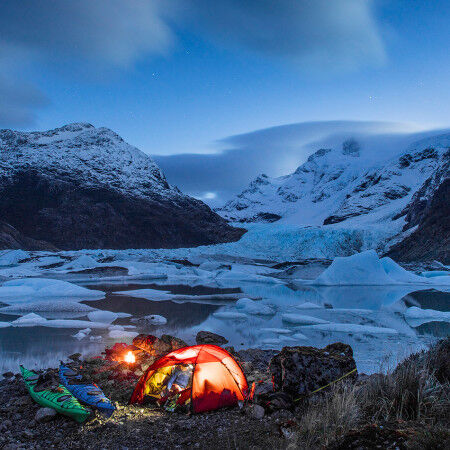
There are a number of factors to take into account when choosing your trekking tent. Read the Speck-Sports team's guide.
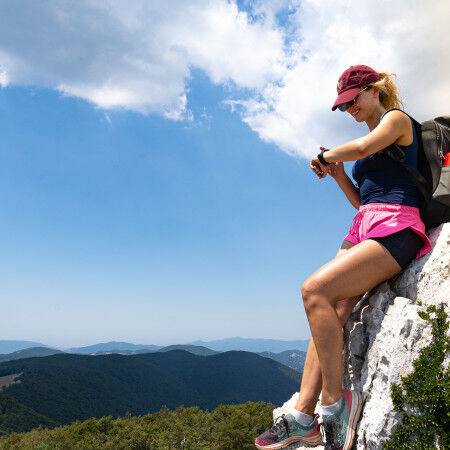
How do you choose the best connected sports watch for your sport? Discover our smartwatch tips and suggestions.
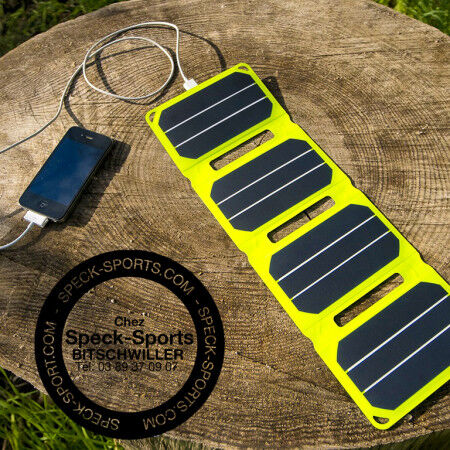
Lightweight and easy to attach, discover the new solution that lets you carry not energy, but a way of creating it.
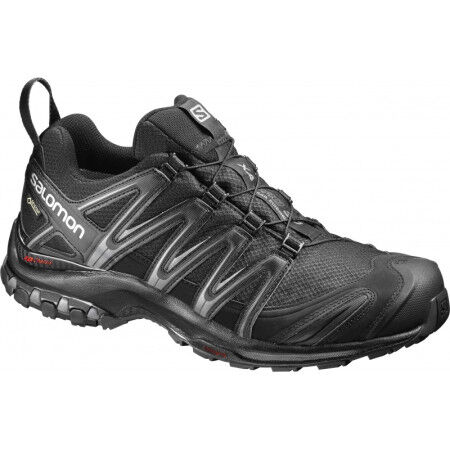
Salomon's iconic trail and hiking shoe. With excellent grip and legendary durability.