
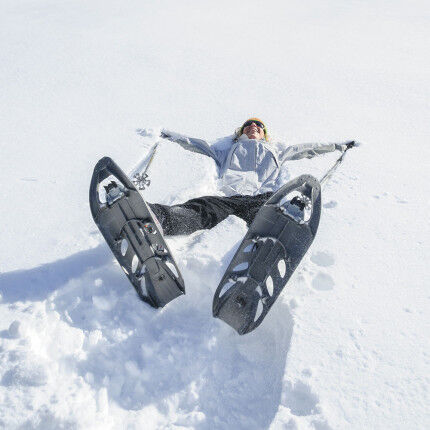
Choosing the right snowshoes
Snowshoes are a must-have for winter hiking. Designed to allow you to walk in the snow without sinking, they are ideal for exploring snow-covered landscapes. But not all snowshoes are created equal. Some are ideal for long hikes in the mountains, while others are designed to take in the scenery without covering too many kilometers. So it's vital to choose snowshoes that are not only suited to your activity, but also to your body type. Discover our complete guide to choosing the right snowshoes.
Characteristics of snowshoes
When choosing your snowshoes, it's worth taking a look at their features and components. Snowshoes are more complex accessories than you might think. Not only the material from which they are made, but also their components play a key role in their quality and usefulness.
The different materials
Snowshoes come in a variety of materials. Traditional wooden snowshoes are rarely sold these days. Today, we prefer materials such as plastic or aluminum, which are lighter and more comfortable to walk on. Plastic snowshoes are ideal for occasional skiers. They are less expensive than aluminum snowshoes, which tend to be reserved for more extreme activities.
Snowshoe components
When choosing your snowshoes, it's crucial to pay particular attention to their components.
The sieve
This is the sole of the snowshoe. It's the snowshoe's key component, since it's what keeps your feet from sinking into the snow. The width of the sieve depends on the user's weight.
At the entry-level, rigid or fixed sieves are suitable for occasional use. For amateurs, regular skiers and adventure enthusiasts, a soft or flexible screen can be a good investment, as it offers greater comfort for the user and a better grip on the snow.
The climbing wedge
This is an optional part that can be added behind the heel to ensure greater comfort when climbing. With the heel elevated, the foot remains in a horizontal position, making progression easier. Ideal for those wishing to venture into the mountains, for example. Be careful, however, to remove them on slopes, descents and flats, as they can create an unbalanced situation.
Claws
Claws, or crampons, give you a better grip on the snow on steep, uneven terrain, or when the snow is too hard. Usually located on the front of the snowshoe, they can also be positioned on the side for optimum grip.
Bindings
Bindings are the straps that hold your feet to the snowshoe. The best way to find out if they're right for you is to try them out. You need to feel comfortable. Consider doing a test: can you tighten and loosen them with a pair of gloves?
Straps are quicker to handle, but sometimes less precise than thongs.
The BOA fastening system, on the other hand, offers the user convenience, comfort and precision. It won't loosen or freeze. It ensures optimum connection between foot and snowshoe.

Criteria for choosing your snowshoes
Now that you know a bit more about snowshoeing, it's time to concentrate on finding the right shoe for you.
Your weight
Weight is the first criterion to take into account when buying snowshoes. A taller person will opt for a pair of snowshoes with a longer mesh than a featherweight. The same applies to width. Under 20 cm, snowshoes are considered thin. However, your weight is not the only factor to take into account when choosing the width of your snowshoes. What's more, for powdery snow, it's advisable to opt for wider heads, which will dig in less.
Your body shape
This point ties in with the previous paragraph. If you have thin feet, you will certainly be more comfortable with narrower snowshoes. However, if your chosen activity requires wide-gauge snowshoes, the bindings will allow you to adapt them to your foot shape.
Usage
It's vital to choose a pair of snowshoes suited to the activity you're going to be doing. For a short hike on flat ground, you can opt for the simplest snowshoes, made of plastic without wedges, with few crampons. For the more adventurous who want to head for the mountains, in powder snow and/or on steeper terrain, you'll need to be well equipped. Wide snowshoes fitted with wedges and crampons will be needed for smooth progress. For the more athletic, there are even snowshoes for running! Narrower and more ergonomic, they're ideal for jogging through snow-covered landscapes. But be warned, they are only suitable for use on flat ground.
You now have all the information you need to choose your pair of snowshoes. And don't forget to buy the right boots for optimum comfort.
If you liked this article, leave a comment and have a look at our other content!
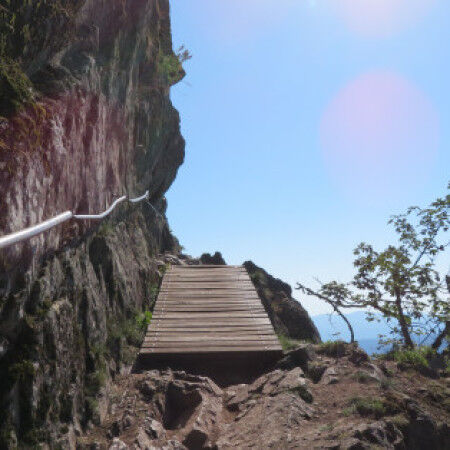
The sentier des Roches lies on the natural border between Alsace and Lorraine, and is a technical path protected by handrails.
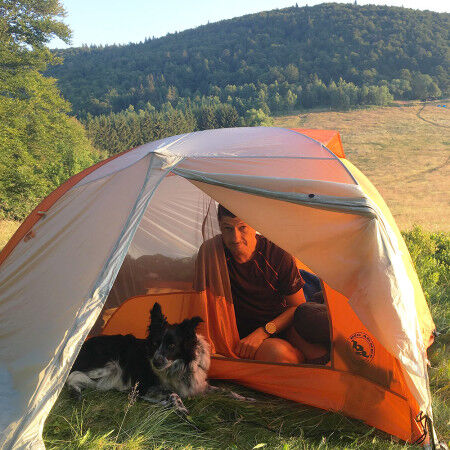
Discover our full test of the Big Agnes Copper Spur HV UL2 tent: lightweight, durable and comfortable for your outdoor adventures.
Discover why Deuter is the leader in hiking bags with innovative, durable products for all your outdoor adventures!
A headlamp is an essential accessory for hiking, trail running or any night-time activity. Follow our advice to choose the headlamp that's right for you!