
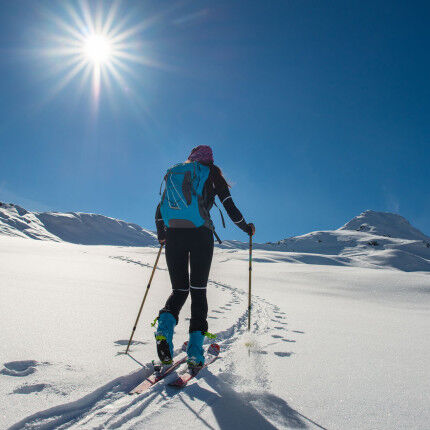
Which touring skis to choose?
Are you an experienced skier or a fan of new sensations? Ski touring offers a unique mountain experience. But with so many models and options available, it can be difficult to make the right choice. In this article, we'll guide you through the different types of touring skis, the important criteria to consider when making your selection, and the bindings and anti-reverse systems best suited to your needs. Which touring skis to choose? Get ready to find the perfect touring skis that will offer you safety, performance and comfort on your winter adventures, thanks to Speck.
The different models: which skis to choose?
Before you set out to buy your touring skis, it's essential to understand the different types available on the market.
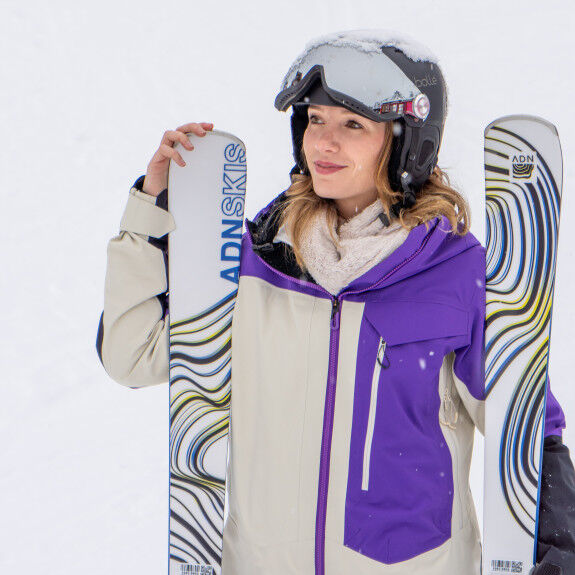
Classic ski touring
Classic touring skis are a versatile choice, ideal for beginners and occasional tourers. That's why these skis offer a good balance between easy ascents and enjoyable descents. They are generally wider than specialist touring skis, giving them better lift in deep, powdery snow. This makes them ideal for varied terrain.
Thanks to their more stable design, classic touring skis offer excellent safety and greater comfort on descents. They are also compatible with most touring ski bindings, giving you the flexibility to personalise your equipment.
Ski mountaineering / touring
Mountaineering skis, also known as touring skis, are specially designed for enthusiasts of technical mountain ascents. These skis are distinguished by their lightness and narrowness, making them ideal for long ascents and technical traverses in the high mountains. The narrow profile of the mountaineering/touring skis provides better grip on icy and rocky slopes. Thanks to their light weight, they reduce fatigue on long ascents, enabling you to explore more remote peaks. These skis generally feature a robust construction in materials such as carbon or aluminum, making them both resistant and responsive. Their design often incorporates additional reinforcements for greater stability and efficient energy transmission during descents. Do your research and try out different models to find the touring skis that best suit your needs and riding style. Enjoy the immense pleasure of traversing snow-covered mountains, in harmony with nature and pushing back your limits with skis adapted to your ski touring adventures.
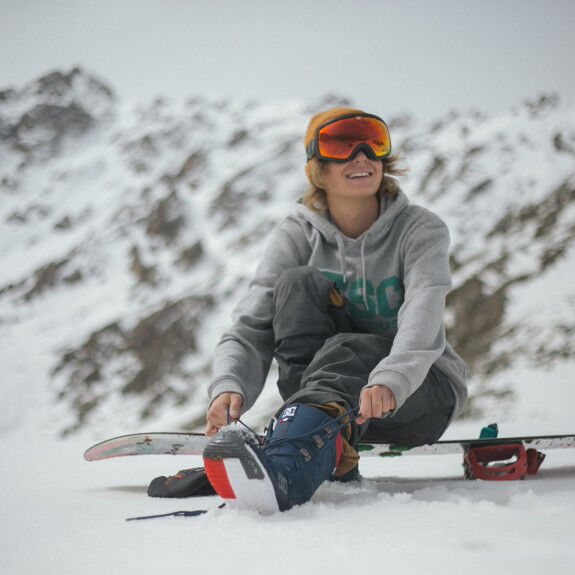
Freerando
The freerando is the ideal choice for skiers looking for off-piste thrills. These skis are specially designed to offer exceptional downhill performance while being light enough to make climbing easier. Their shape and construction make them perfectly suited to gliding over fresh snow and uneven terrain with ease, essential characteristics for off-piste adventures.
Freerando skis are generally wider than classic touring skis, giving them better lift in powder and excellent stability on high-speed descents. Their lightweight construction allows skiers to take full advantage of the descent while minimising fatigue on the ascent.
How to choose your touring skis?
Your choice of touring skis is crucial, as it will determine the enjoyment of your mountain experience. There are several criteria to take into account when deciding which touring skis to choose.
Weight: a criterion for choosing touring skis
The weight of your skis is an essential factor to consider when touring in the mountains. Lighter skis will reduce fatigue on ascents and save energy on descents.
Ski size according to your level
The size of touring skis varies according to the type of ski. For classic touring skis, choose a size close to your body size, or even slightly shorter for greater maneuverability. For freerando skis, opt for longer skis for better lift in powder. As for mountaineering skis, choose shorter ones for easier technical ascents. Consult our guide to choosing your ski size.
Your skiing ability: a crucial factor to take into account
Your skiing ability is a key factor in your choice of touring skis. If you're a beginner, you should opt for skis that are more flexible and forgiving, which will enable you to progress more easily. Intermediate to advanced skiers can opt for more technical, high-performance skis. They'll give you greater stability and responsiveness.
Terrain: what type of terrain will you be skiing?
Choose your skis according to the type of terrain you plan to cover. If you mainly plan to ski in powder or deep snow conditions, opt for wider skis that offer better lift. On the other hand, for more technical or icy terrain, choose narrower skis with better grip.
Which binding should you choose for your touring skis?
Bindings play a crucial role in the safety and performance of your touring skis. There are two main types of binding for touring skis:
Inserts
Bindings with inserts are lightweight and offer good power transmission on descents. They also allow greater mobility when climbing. However, they require boots that are compatible with the inserts.
Plate bindings
Plate bindings offer excellent stability and better downhill performance. They are more versatile in terms of boot compatibility, but can be heavier.

The anti-kickback system
When selecting your touring skis, it's important to consider the anti-reverse system. This prevents the skis from rolling back when climbing. There are two main systems:
Anti-slip inserts
These inserts are integrated into the skis. They improve grip when climbing by preventing the ski from falling back. They offer excellent efficiency and make technical ascents easier.
Anti-reverse plate bindings
Plate bindings with an anti-recoil system also offer good grip when climbing, preventing the ski from recoiling. They are compatible with a wide range of ski boots. To sum up, when choosing your touring skis, take into account your skiing ability and the type of terrain you plan to cover. But also the specific characteristics of the different types of skis. You should also consider the bindings and anti-reverse systems best suited to your needs and preferences. Don't forget to take into account criteria such as ski size, your skiing ability and the type of terrain you'll be exploring.
In conclusion, choosing the perfect touring skis is essential for a successful mountain experience. By taking into account your personal criteria, such as size, ski level and type of terrain, you can find the skis that best meet your needs in terms of safety, performance and comfort. And don't overlook the importance of bindings and anti-kickback systems. All of which contribute to better stability and grip during your mountain adventures.
Whether you're a fan of classic ski touring, freerando or ski mountaineering, there's a ski touring model to suit your style and expectations. So equip yourself with these precious allies to enjoy unforgettable moments in the majestic snowy landscapes of the mountains.
Don't hesitate to ask the Speck-Sports specialists in shop for personalised advice on which touring skis to choose. That way, your next mountain adventure will be memorable and full of intense emotions!
Find out how to choose the ideal container for your hikes: materials, capacities, practicality. Find the perfect companion for all your outdoor adventures!
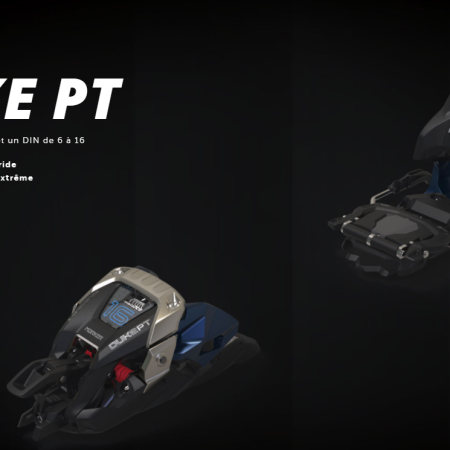
Marker is delighting us once again with this new binding. The DUKE PT is nothing less than the perfect binding for freerando enthusiasts.
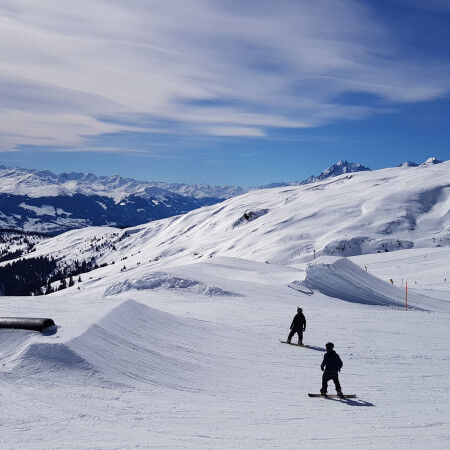
The new 2026 ski season brings a host of innovations and new models across all ranges, from the most accessible equipment to the high end. Whether you're an experienced skier looking for performance on the slopes, a ski touring enthusiast, or a freeride lover seeking thrills in deep snow, major brands such as Rossignol, Atomic, Stöckli, Blizzard, Nordica, and Völkl are unveiling skis suited to every level and style.
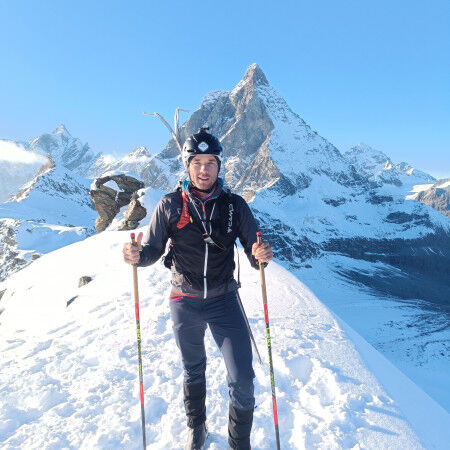
In this interview, Jocelyn Verdenal talks about his career, his inspirations, and his ambitious plans for this season.