
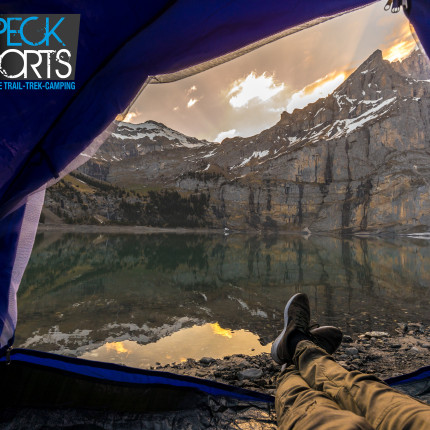
Choosing the right hiking mattress
An essential part of any hiker's kit, the hiking mattress is of paramount importance.
It usually takes up a lot of space in your rucksack, and together with your sleeping bag, it's the only thing you need for a comfortable night's sleep. There are a multitude of hiking mattresses to choose from, but it's not always easy to find the one that's right for you.
Luckily for you, the Speck Sports team is here to help you make your choice with this guide.

Choosing a hiking mat based on its dimensions
Hiking mattresses are usually available in several sizes. You should therefore choose a mattress according to its size, but not only. Note that ¾ (XS) mattresses are not intended for children. In fact, these mattresses reduce weight and bulk at the expense of not having your legs on the mattress. take your height into consideration when choosing the length of your mattress.
The second element is width. This varies very little, and is generally around 51 cm, so as to fit snugly into a tent. There are also double mattresses, which are rarer and bulkier, and are generally intended for non-portage use (portage via mules or vehicles). Obviously, the wider the sleeping bag, the heavier it will be.
Finally, the third element to consider is the thickness of your hiking mattress: the thicker the mattress, the more comfortable it will be, but the heavier it will be. Once again, this depends on your comfort requirements, but also on the load you'll be able to support.
Weight/size ratio
One of the most important characteristics of a hiking mattress is its ability to take up as little space as possible when not in use, while remaining lightweight. When it comes to lightness, the first to the finish line are foam mattresses, followed by inflatable mattresses, then self-inflating mattresses.
On the other hand, when it comes to compactness, the best in the category are inflatable mattresses, closely followed by self-inflating mattresses, then foam mattresses.
It's up to you to decide whether you want a light but bulky mattress(foam mattress) or a heavier but less bulky mattress(inflatable mattress).
Choose your hiking mattress according to the season
Not all hiking mattresses are designed for 4-season use. Some are designed for summer use only, while others are better suited to winter use. The key to this is the insulation provided by your mattress. This insulation prevents heat transfer between your body and the ground. This is made possible by the air cells inside the mattress, which act as a "barrier" between you and the ground, or by a membrane that reflects body heat back towards you. This insulation is characterized by the R-Value. This standard is used to determine the degree of insulation of a touring mattress. The higher the R-Value, the more insulating your touring mattress will be.
As shown in the table above, the R-Value determines the season of use:
- Between 0 and 2: not very insulating and useful when temperatures are mild (around 12°C).
- Between 2 and 3.5: 3-season use (summer-spring-autumn) for temperatures around 1°C.
- Between 3.5 and 4.5: year-round use, for temperatures above -6°C.
The different types of hiking mattress
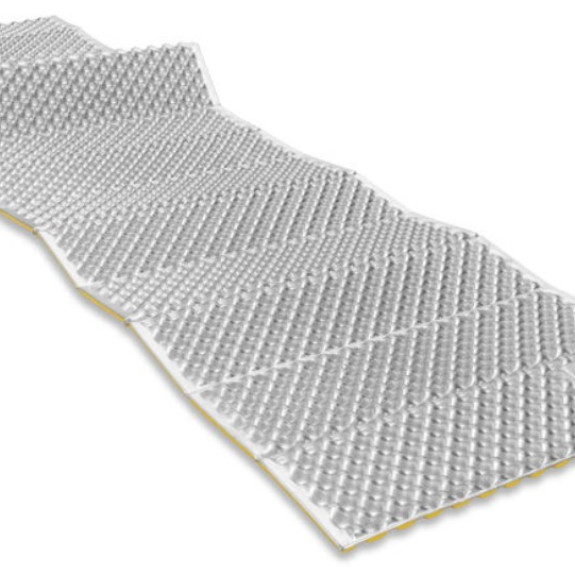
Foam mattresses
Foam mattresses are lighter and more affordable. It's often the first mattress we buy. Apart from its light weight, the strong point of a foam mattress is its resistance to wear and tear. No matter where you place it, it's resistant to abrasion and punctures. It's also very practical to use in summer or as a supplement to an inflatable mattress. On the other hand, this type of mattress can be criticised for taking up too much space and for its lack of comfort and insulation. As a result, it is very useful in summer for occasional bivouacs.
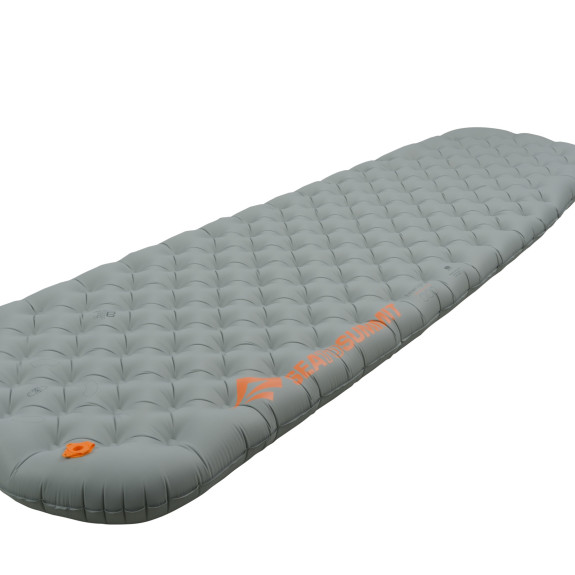
Inflatable mattress
Inflatable mattresses offer the best balance between insulation, weight and comfort. Often thicker than its competitors, it also has the advantage of being more compact when emptied of its air. Most of these mattresses with synthetic or down insulation come with an inflation bag, which not only inflates the mattress more quickly but also avoids sending moisture inside (which could potentially damage the quality of the insulation). The R-Value of these touring mattresses varies enormously, offering a wide range of choices depending on the type of use. The higher the R-Value, the better and more insulating the mattress. On the other hand, the higher the R-Value, the higher the price.
There is, however, one downside to inflatable mattresses: they are more susceptible to punctures. That's why it's vital to choose your location carefully. Don't forget to take a repair kit with you in case of an unexpected puncture.
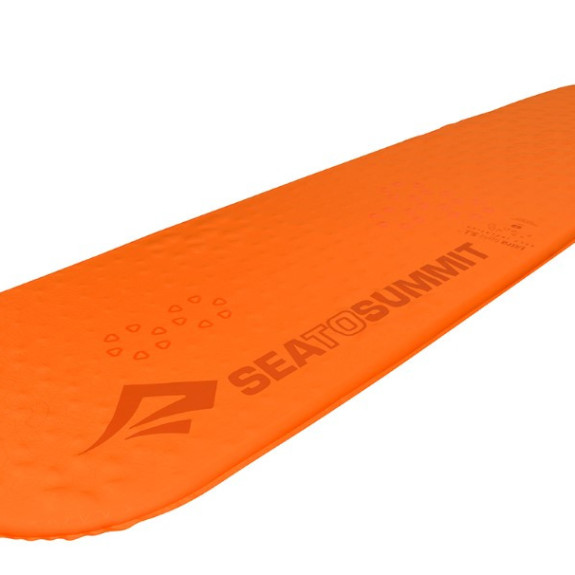
Self-inflating mattress
As its name suggests, unlike the inflatable mattress, this type of mattress doesn't need to be inflated. Simply open the valve, let it inflate and blow into it to adjust the pressure. Let it inflate by itself! This will prevent moisture from being blown inside. It is generally thinner than an inflatable mattress. It is still more comfortable than a foam mattress, but its use is limited when the floor is too hard. Compared with an inflatable mattress, it is generally thinner, but bulkier and heavier. It is very useful for 3-season use, thanks to its insulation.
Although it's less susceptible to punctures than an air mattress, remember to take a repair kit with you - you never know. From a price point of view, this type of mattress is more expensive than an inflatable mattress without insulation, but less than an insulated inflatable mattress.
Summary table
| Advantages | Disadvantages | |
| Foam mattress |
Affordable price |
Bulky |
|
Inflatable mattress
|
Very comfortable Insulating Compact Lightweight | Fragile Set-up time High price |
|
Self-inflating mattress
|
Comfortable Compact Quick to set up | Quite fragile Weight |
We hope this guide will help you choose your future hiking mattress. Don't hesitate to visit our website to discover our selection of hiking mattresses.
Best regards,
The Speck Sports team.
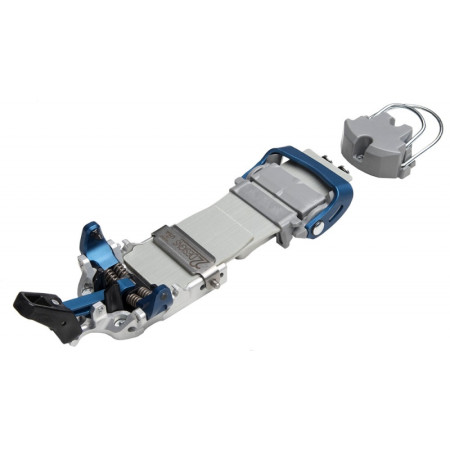
The Lynx: a new telemark binding from 22Designs is now available from Speck-Sports.

There are many models on the market: mini car refrigerators, compression coolers, thermoelectric coolers, absorption coolers, and rechargeable battery coolers. How do you choose the best one?

Speck-Sports introduces you to Hydro Flask water bottles!

Discover our guide to choosing your touring skis. Advice on size, ski level and terrain to help you choose your skis.