

 English GB
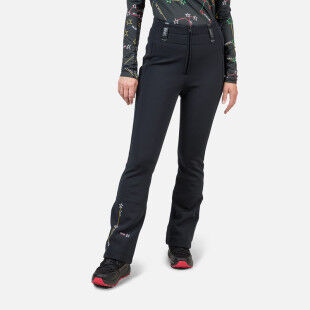
Ski pants
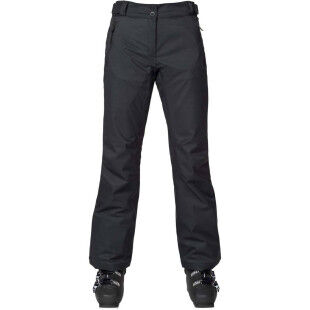
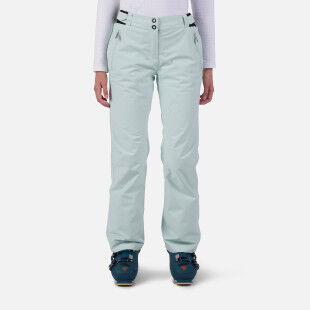
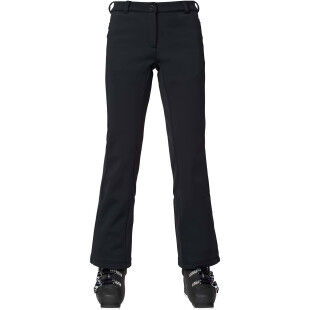
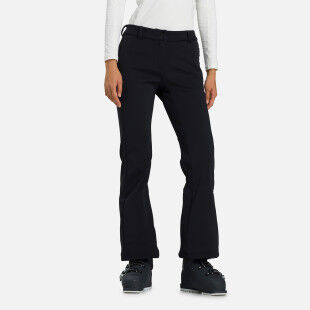
Ski pants
How to choose your ski pants according to your activity (piste, freeride, touring)?
The right choice depends first and foremost on where you plan to ski. On-piste: prioritize stable waterproofing/breathability and insulation that lasts all day, whether you're looking for men's ski pants, women's ski pants, or kids' ski pants.
- For freeriding: opt for 3L membranes, a protective cut (bib/overalls) and effective ventilation zippers.
- For touring: go for lightweight, breathable, flexible cuts with reinforcements at the bottom of the legs.
- And don't forget the adjustment (waistband/braces) for a fit that stays in place.
2L, 3L, softshell... which construction is right for your use?
- 2L: comfort + built-in insulation. Ideal for piste/all-mountain, warm and protective.
- 3L: 3-layer bonded membrane, more robust, lightweight, and durable. Freeride/hiking, unpredictable weather.
- Softshell: stretchy and breathable, super mobile. Dry cold, sustained effort, touring/edge of the piste use.
DWR: stay dry longer
- DWR (water repellent) causes water to bead up on the surface: you stay dry and the fabric doesn't get heavy.
- If the fabric gets wet, reactivate the water repellency in a low-heat dryer or iron (low heat, medium setting).
- Keep clean (no fabric softener) and re-waterproof regularly with a specific spray/wash.
Which models are best for the slopes, freeriding, and touring?
| Practical | What you need | Recommended models (examples) |
|---|---|---|
| Piste/All-mountain | 10K–20K membrane, moderate insulation, comfortable fit, reinforced lower legs | Millet Brévent Peak Men's • Rossignol Insulated Women's • The North Face Dawn Turn Men's |
| Freeride | 3L membrane (Gore-Tex/equivalent), bib/overalls, large vents, cargo pockets | Haglöfs Vassi GTX Pro II (M/W) • Picture Avening Bib Men • Picture Eron 3L |
| Ski touring | Lightweight and highly breathable, stretch, ventilation, crampon/skin-compatible bottoms | La Sportiva Ikarus • Montura Speed Style Men's • Rossignol W SKPR 3L AYR |
| Resort style/comfort | Fitted cut, softshell or thin insulation, clean look, decent mobility | Rossignol Softshell Women • Picture EXA / OBJECT |
| Junior | Reliable insulation, gaiters, suspenders, adjustable waist | Rossignol Outerlimits Junior • Picture TIME Kids • CMP Kids' Bib Pants |
Need a more technical shell? Also check out Haglöfs Latnja GTX (M/W) and Mammut Taiss Pro HS for intensive use and unpredictable weather.
What level of waterproofing and breathability should you aim for (10K, 20K, membranes, seams)?
- 10K/10K: off-piste skiing in good weather or light snow. Basic but effective.
- 15–20K: changeable weather, heavy snowfall, sitting on wet chairlifts. The right standard.
- 2L vs. 3L membranes: 2L = comfort/insulation, versatile on the slopes. 3L = more robust, lightweight, and breathable (freeride/ski touring).
- Seams:"critical seams sealed"= minimum."fully sealed"= best in heavy snow/rain.
- Ventilation (thigh zippers): essential if you're moving around a lot or in mild weather.
Insulation or shell: what do you need depending on the weather and how sensitive you are to the cold?
- Shell (without insulation): variable weather, high effort (freeride/ski touring). You manage the heat with layers.
- Lightweight insulation (40–60 g): active skiing, cold days but on the move.
- Warm insulation (80–100 g+): very cold weather, long lifts, sensitive to the cold.
- Tip: if you feel the cold = add a thermal layer underneath. Warm quickly = opt for a shell + breathable base layer.
Men, women, children: what are the real differences in cut and volume?
Well-cut ski pants make all the difference: freedom of movement, controlled warmth, no discomfort in boots.
- Men: straighter cut, more generous thigh/seat volume, often longer inseam. Priority given to ample movement and layering.
- Women: higher and more fitted waist, more room in the hips, shorter leg length, pre-shaped knees. The goal: support + a silhouette without pressure points.
- Kids: compact volumes, frequent straps/bibs to stay covered, reinforced lower legs, "grow-up" systems (adjustable hems/waists).
- Fits: slim (close-fitting, sharp look), regular (versatile), relaxed (freeride, easy to layer underneath). Overalls (bibs) provide better protection from the cold and snow.
What to wear under ski pants (base layers, weights, mistakes to avoid)?
The winning combo: a breathable base layer + your ski pants. Warm, dry, and free to move.
- Materials: synthetic (quick-drying, durable) or merino wool (warm, odor-resistant). No cotton.
- Weight guide: 150–200 g/m² (soft/active), 200–260 (moderate cold), 260+ (extreme cold/prolonged stops).
- Base layer fit: close-fitting without being tight. Length should stop above the boot collar to avoid creases.
- Socks: one pair of technical socks, worn next to the skin (never two pairs). No layering over the base layer to avoid chafing.
- Ventilation: open the thigh zippers when climbing/queuing, close them when descending to retain heat.
- Avoid mistakes: no cotton shorts under the base layer, no thick socks under insulated pants, no hems caught in boots.