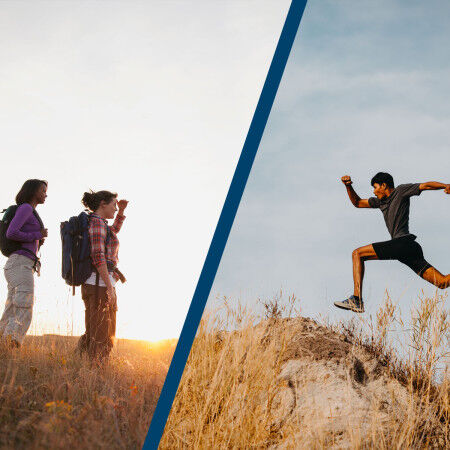
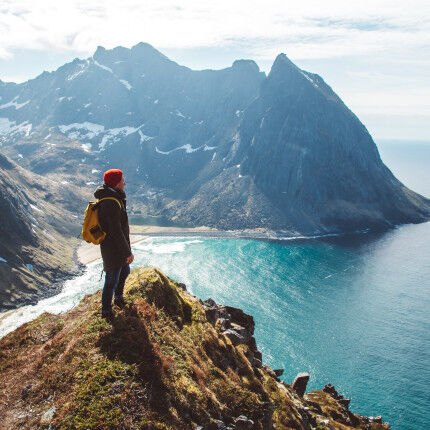

Hiking is much more than just a recreational activity. It’s a fun way to get some fresh air, move at your own pace, and fully enjoy the natural surroundings. The benefits of hiking are real: improved fitness, gentle exercise for muscles and joints, and a real mental break.
For a beginner, it’s one of the most accessible activities out there. You don’t need high-tech gear to get started: just a good pair of hiking boots, a small, practical backpack, a pair of hiking poles to distribute the strain, and you’re good to go…
How to Prepare for Your First Hike?
Choosing a Route and Planning Your Hike
The first question to ask yourself is: what kind of hike are you planning?
A short, one-hour loop on flat terrain versus a multi-hour hike with elevation gain are two very different things. Duration, distance, and the trail’s elevation profile are the three factors to consider before finalizing your plan.
Hiking trails are generally classified into three levels:
- Easy: flat or slightly hilly terrain, short duration, low risk. Ideal for getting started and testing your legs.
- Intermediate: a few climbs, obstacles at knee height, longer walking time. Suitable for people with a good basic level of fitness.
- Difficult: Steep slopes, technical sections, and full physical exertion. Reserved for experienced hikers who are already familiar with the terrain.
As a beginner, stick to easy, well-marked trails. Tools like Visorando, IGN maps, or your local tourist office websites will help you plan your hike, check the distance and elevation gain, and even track your progress in real time on your phone.
Some apps also offer webcams in the mountains so you can check conditions before setting out.
With every backpack purchase at Speck-Sports, you’ll receive a free one-month Visorando subscription!
Also, be sure to plan the logistics of your trip: transportation, parking at the starting point, and, if needed, lodging for multi-day trips. In France, mountain lodges, shelters, and campgrounds often need to be booked several weeks in advance, especially in the summer.
Preparing Physically for the Hike
If you lead a sedentary lifestyle, there’s no need to tackle the Grand Tourmalet on your very first weekend. Start by incorporating more brisk walking into your daily routine. The WHO recommends 10,000 steps a day—that’s a good starting point for gradually getting back into shape.
To take it a step further, you can do strength training at home: squats, push-ups, and core exercises. Two to three sessions a week are enough to prepare your body. The classic beginner’s mistake: neglecting physical preparation and ending up exhausted after just an hour. Avoid this!
Before each hike, remember to warm up: ankle rotations, heel-to-butt kicks, and knee lifts. And after your hike, stretch thoroughly—your legs will thank you the next day!
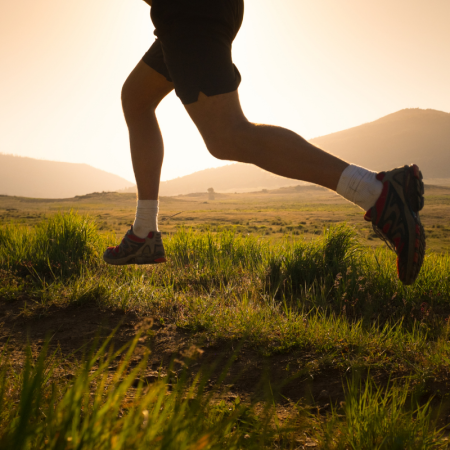
Hiking is a great gateway to other sports like trail running, trekking, or Nordic walking. These sports generally require more intense effort but are still accessible with proper preparation! If you’re already into one of these sports, then hiking shouldn’t be a problem for you.
The Best Time of Year to Start Hiking
Summer is the ideal season to start hiking: the trails are wide open, the weather is generally milder, and the scenery is at its best. Spring and fall are also great for hikes at low and medium altitudes: conditions are often milder, and the trails are less crowded.
In winter, hiking requires more preparation and gear suited to snowy conditions. Some resorts offer marked winter hiking trails, sometimes in addition to the ski area (downhill skiing, cross-country skiing, etc.).
How should you gear up for hiking?
Boots: The Most Important Choice
This is THE key element of your gear. Good hiking boots, with solid ankle support and a lugged sole, will make all the difference on rough or rocky terrain. Try them on in the store with hiking socks to check for pressure points. If they feel uncomfortable at home, imagine how they’ll feel after hours of walking!
Your choice depends on your activity and body type. For women, women’s-specific boots offer support and a shape tailored to the female foot. The same goes for men. There are also junior models available for younger hikers. Don’t overlook this factor! For more dynamic activities like trekking or trail running, lightweight and responsive trail running shoes are better suited than classic hiking boots, which are often less flexible.
The Hiking Backpack
A 20- to 30-liter model is sufficient for a day trip. Choose one with padded shoulder straps and a hip belt to distribute the weight evenly. For multi-night adventures (the Tour du Mont-Blanc, crossing the Pyrenees, or any other self-supported trek), opt for a 40- to 60-liter pack with a compartment for a sleeping bag and enough space for food and camping gear. Your pack’s capacity is also limited by how much you can comfortably carry. Don’t hesitate to ask for advice in-store while trying on packs.
Hiking Poles
Often underestimated by new hikers, hiking poles are actually a real asset. They help distribute the effort more evenly on ascents, relieve pressure on your knees during descents, and help you maintain your balance on tricky sections. On a rocky trail or unstable terrain, it only takes a few minutes to realize how useful they are. Height-adjustable and lightweight, they fit in almost any backpack.
The First Aid Kit
The essentials: gauze pads, bandages, saline solution, tweezers, adhesive bandages, and a survival blanket. In high-risk areas, add a tick remover. You don’t need anything more to get started—the essentials fit into a small pouch.
Phone and Navigation
Fully charged, with the navigation app downloaded and the route saved for offline use. Depending on the region and route, some apps also let you check information on pass openings or mountain hut availability. Essential in an emergency—and much more convenient than a paper map for finding your way!
What should you wear for hiking?
Choosing the right clothes is often the first mistake beginners make. The golden rule: the three-layer system, adapted to the season and elevation.
- Base layer (closest to the body): a breathable T-shirt or shirt that wicks away sweat. Avoid cotton, which stays damp and makes you cold. A merino wool or technical polyester garment will be much more comfortable over time.
- Mid layer: a fleece or lightweight jacket that retains heat. Essential in the morning or at high altitudes, even in summer.
- Outer layer: a waterproof and breathable jacket to handle rain or unpredictable weather. A waterproof rating of at least 10,000 mm is recommended for mountain outings.
For the bottom half, hiking pants or shorts made of breathable fabric are suitable for most summer outings. If you’re heading into the high mountains or hiking in winter, windproof or insulated pants are preferable.
Don’t forget sun protection accessories: sunglasses with Category 3 or 4 lenses at high altitudes, sunscreen (the sun is intense on the peaks), and a cap or wide-brimmed hat for summer outings. In winter or early in the season, a headlamp is useful if you set out early or if your hike takes longer than expected.
How should you stay hydrated and fueled while hiking?
Hydration is often the thing we neglect… until we start to feel tired. The rule: drink regularly, without waiting until you’re thirsty.
Plan on at least 0.5 L of water per hour of exertion, and more in hot weather or at high altitudes. A filter bottle is an excellent option if your route passes near springs or water sources: it lets you fill up on clean water without carrying unnecessary weight. A hydration bladder built into your backpack is also very convenient for drinking while walking, without having to stop.
After a good gulp of cool water at the top of a climb, you’ll be off again as if nothing had happened! For food, opt for sugary snacks to prevent hypoglycemia: cereal bars, dried fruit, fruit paste… On long or multi-day hikes, plan your food supplies in advance. Managing your food supply is a skill in its own right, especially on trekking or trail running routes.
Check the weather and conditions before setting out
Weather in the mountains can change very quickly: this is the main danger that should not be underestimated. Before each outing, check the local forecast. Some websites offer webcams of the mountain ranges and weather reports specific to high elevations. If a thunderstorm or heavy rain is forecast, it’s best to postpone the trip or plan an alternative route on a more sheltered trail.
In winter, check snow conditions, pass openings, and the status of ski areas if you’re planning ski touring or high-mountain excursions. Local tourist offices, ski resorts, and their websites are excellent sources of information for checking conditions in real time before you set out.
During Your Hike: Tips for a Great Hiking Experience
- Stay on marked trails to avoid getting lost, to respect the environment, and to minimize risks.
- Maintain a steady pace and take short breaks every hour. A few minutes are enough to recharge.
- Take your trash with you. Seeing litter on a beautiful trail is a shame for everyone.
- If you’re hiking alone, let someone know your route and your expected return time. This simple precaution can make all the difference in case of danger.
- When hiking in a group, adjust your pace to match the least experienced hiker. That’s part of the mountain spirit.
- For challenging hikes or your first big trips, like the Tour du Mont-Blanc, don’t hesitate to contact a guide or join a local hiking club to get some guidance.
Taking It Further: Ideas for Improving
Once you’ve mastered the basics, many paths are open to you. Trail running, for example, is a great way to combine mountain trails with a more intense workout. Trail running shoes are designed specifically for this type of activity, with traction and cushioning suited to natural terrain.
For winter ski enthusiasts, ski touring is an excellent complement: you ascend using your leg strength and descend on skis. And for those who prefer a more leisurely glide, cross-country skiing offers an accessible and relatively safe alternative for experiencing the great outdoors in winter.
Finally, if you’re interested in multi-activity adventures, keep in mind that mountain biking or forest biking is often enjoyed on the same maintained hiking trails. It’s a great way to mix things up with family or friends!
After the hike
Stretch, hydrate, and rest! Run cold or hot water over your legs, whichever feels best. And if your gear has taken a few knocks, be sure to maintain it.
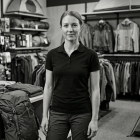
You have everything you need to get started. Come try on shoes, backpacks, and clothing in-store: our team is here to help you choose your first gear, taking the time to discuss your plans. We’re waiting for you at Speck-Sports.