

 English GB


MSR®: Engineering for the Mountains
Specializing in technical high-altitude and backcountry gear, MSR® (Mountain Safety Research) offers products such as stoves, hydration systems, shelters and tents, and snowshoes. In its sector, MSR® has built an unrivaled reputation by marketing reliable gear designed for the most extreme conditions. Today, MSR® is highly regarded by climbers, mountaineers, and hikers who venture into some of the highest and coldest places on the planet.
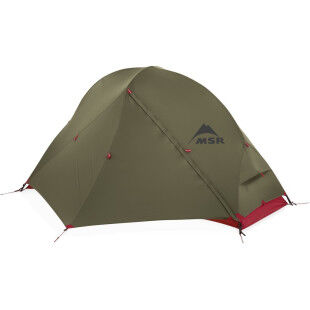


3-season tents MSR
2 produits


bikepacking tents MSR
2 produits


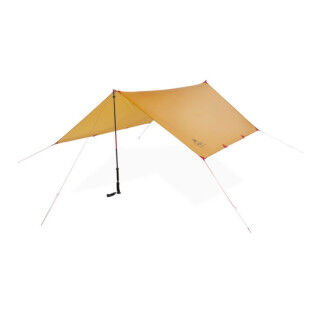
tarps MSR
2 produits

sleeping bags MSR
1 produit

tent footprint MSR
2 produits


mobiliers de camping MSR
1 produit


snowshoeing MSR
3 produits


accessories MSR
1 produit

Discover the MSR® brand
MSR®: The Brand’s Origins and History
In 1969, in Seattle, engineer and mountaineer Larry Penberthy founded Mountain Safety Research with a single goal: to improve the safety of climbing equipment. His independent tests conducted within The Mountaineers association had revealed serious flaws in the equipment available on the market. His findings called for concrete action regarding rope strength, piton performance, and ice axe durability.
Penberthy decided to establish Mountain Safety Research, Inc. to manufacture and market safety equipment, thereby funding his research.
In 1981, MSR was acquired by REI. In 2000, the brand merged with Edgeworks, the manufacturer of the Moss, Walrus, and Armadillo tents—models that would subsequently all be marketed under the MSR banner. In August 2001, MSR was finally acquired by Cascade Designs, a Seattle-based group, which is its current owner.
Did you know?
Unable to find a wind tunnel to test his first mountaineering tent in 1973, Larry Penberthy bolted a platform to the back of a pickup truck, obtained an “oversized load” permit, and exposed his tent to winds exceeding 100 km/h on local roads…
Product Development and Innovations at MSR®
As early as 1970, MSR launched its first ice axe,the Eagle Ice Axe, followed by the Thunderbird, featuring an aluminum shaft that replaced the much more fragile wooden shafts. In 1972, the brand was the first to offer a front-loading backpack. In 1975, it pioneered the use of long-lasting lithium batteries in headlamps and launched the first multi-fuel stove.
Starting in 1982, MSR launched the WhisperLite gasoline stove, which was reliable, versatile, and durable. This off-burner stove quickly became the gold standard for high-altitude expeditions.
The brand continued to innovate with the ultralight Hubba Hubba tent, which would become the world’s best-selling trekking tent. In the realm of backcountry cooking, the WindBurner stove pushed the boundaries even further by combining its radiant burner with a fully enclosed design.
Today, MSR remains a team obsessed with designing the most reliable and high-performance gear possible. Many MSR products are still hand-assembled on production lines located right below the design offices.
Products offered by the MSR® brand
MSR® takes a radically functional, minimalist, and durable approach. No frills, no fads: every product addresses a specific problem encountered in extreme conditions.
Among its iconic models are the WhisperLite, Reactor, and WindBurner stoves.
MSR® also markets the Hubba Hubba NX tent for lightweight camping, and the Guardian water purifier for expeditions in areas without reliable drinking water.
MSR®’s identity is rooted in the belief that better-designed gear is the key to going further, longer, and safer in the wilderness. The brand defines itself as a manufacturer of precision equipment designed to last a lifetime of adventures.
MSR®’s Commitment to Sustainability
MSR® is a founding member of the Outdoor Industry Association’s Sustainability Working Group, a coalition of over 300 outdoor brands, suppliers, and manufacturers dedicated to addressing the industry’s environmental challenges. This group developed the Higg Index, the first tool to measure sustainability across the entire outdoor industry.
In terms of materials, MSR incorporates recycled plastics into its water storage systems and other components, which are guaranteed to be free of BPA, BPS, and phthalates, and uses recyclable aluminum in its stoves, cookware, and snowshoes. The brand is also developing an end-of-life take-back program for nylon, polyester, and foam materials from its older products, in line with a circular economy approach.
MSR has also adopted PFAS-free durable water repellents (DWR) on its tents, such asthe Elixir 2, and aims to eliminate these persistent substances by 2030.