
Glossary of skiing terms
Are you new to skiing and sometimes feel like you're hearing a foreign language on the slopes? Between the technical terms used by instructors, enthusiasts and even equipment guides, it's not always easy to find your way around. This glossary has been designed especially for beginner skiers who want to understand skiing vocabulary without complicating their lives. Each term is explained simply, with clear and accessible definitions, so that you can progress more confidently and enjoy your days in the mountains to the fullest.
Whether you want to know what carving, camber, skidding or a tip is, this guide will take you step by step through the world of skiing. By better understanding the technical terms, you will not only gain confidence, but also enjoy skiing more. No need to remain in the dark: this glossary will become your ally in learning, progressing and communicating more easily with other skiers.
Ski vocabulary
When you start skiing, you enter a world filled with technical terms and specific vocabulary you need to know. Here, we list the main terms you will come across, organized by theme:
Different skiing techniques:
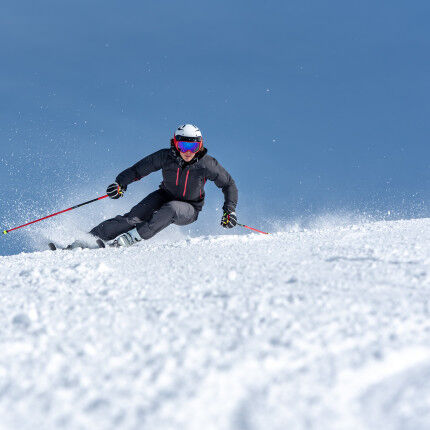
Carving: A turning technique where the skis follow a curved trajectory without skidding.
Side-slipping: A technique where the skis slide sideways to control speed.
Short turns: A series of quick, short turns made while descending.
Schuss: A straight downhill descent without turning.
Stem turn: A turning technique where one ski is pushed out to initiate the curve.
Traverse: Skiing across the slope.
Parallel turn: A technique where the skis remain parallel throughout the turn.
Skidded turn: A turn where the skis slide sideways to control speed.
Different types of snow:
Powder: Fresh, light snow. Also called "pow."
Groomed snow: Snow compacted by grooming machines.
Spring snow: Often soft and heavy snow due to daytime warming.
Artificial snow: Snow produced by snow cannons.
Transformed snow: Snow that has undergone cycles of freezing and thawing.
Tracked snow: Fresh snow that already has tracks from previous skiers.
Terms related to slopes and lifts:
Groomer (snowcat): Vehicle used to compact snow on the slopes.
Cable car: Mountain lift using suspended cabins.
Chairlift: A suspended chair used to carry skiers up the slopes.
T-bar / Drag lift: A surface lift using a pole or cable to pull skiers uphill.
Snowpark: An area dedicated to tricks and jumps, with various features and ramps.
Green slope: Beginner-level ski slope.
Blue slope: Easy-level ski slope.
Red slope: Intermediate-level ski slope.
Black slope: Advanced-level ski slope.
Uphill: The part of the mountain above the skier.
Downhill: The part of the mountain below the skier.
Different types of skiing:
Alpine skiing: A set of disciplines practiced on descents, either on marked slopes, off-piste (backcountry), or in competition.
Ski touring: Combines uphill and downhill skiing, practiced off-piste in forests or mountains with lightweight, versatile equipment, emphasizing autonomy and mountain safety.
Classic cross-country skiing: Movement similar to walking, with parallel skis in prepared tracks.
Skating cross-country skiing: A V-shaped movement similar to ice skating, outside the classic tracks.
Freeride: Skiing or snowboarding off-piste.
Freestyle: Skiing or snowboarding while performing tricks, either in a snowpark or off-piste.
Equipment-related terms:
Edges: The metal sides of skis or snowboards that bite into the snow and ice for better grip and turning.
Beacon (Avalanche transceiver): Device that emits or receives a radio signal to locate someone buried under an avalanche.
Wax: Product applied to the ski base to protect it and improve glide or grip depending on conditions.
Bindings: Ski bindings connect ski boots to skis. They are designed to release during a fall to reduce injuries.
Waist: The part of the ski under the boot where the binding is mounted.
Shape: The geometry of the ski, including sidecut and radius. It varies depending on the discipline.
Tip: The front part of the ski.
Tail: The back part of the ski.
Camber: The way a ski presses against the snow depending on its profile.
Other common terms:
Avalanche: A snow slide that can be dangerous.
Snow build-up: Accumulation of snow on clothing.
Moguls: Snow bumps formed naturally or artificially.

Speck, the mountain sports specialist
Speck is THE place to go for mountain sports enthusiasts. The perfect pair of skis, a trendy ski helmet, ski goggles to protect your eyes, and you're all set.
Speck has 50 years of mountain experience, experts at your service, and fast shipping.
If you have any questions about our products or need advice on your ski equipment, please don't hesitate to contact one of our in-store experts on 03 89 37 09 07 or at contact@speck-sports.com
There you go, you're ready for the mountains.
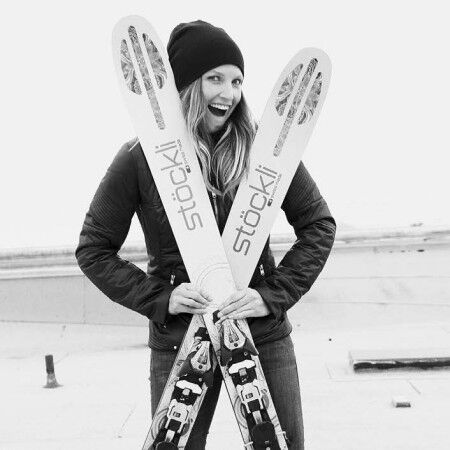
The new Stormrider 95 skis from Stöckli offer unrivalled off-piste performance and exceptional stability thanks to their 17m radius.
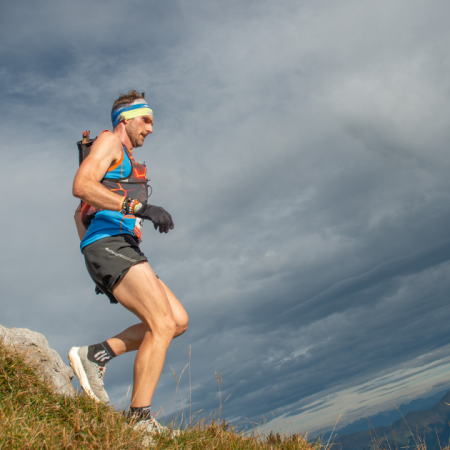
There are many models on the market, depending on the distance you plan to run. In this new guide, we'll look at the criteria for choosing one, the recommended capacity, the different hydration systems, and more…
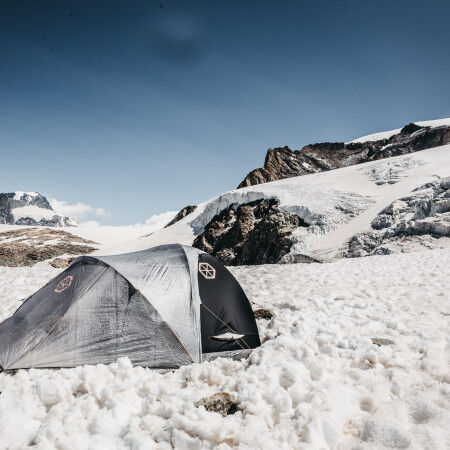
Fall for the comfort, lightness and durability of the Samaya 2.5! This 4-season tent is ideal for all your outdoor adventures.
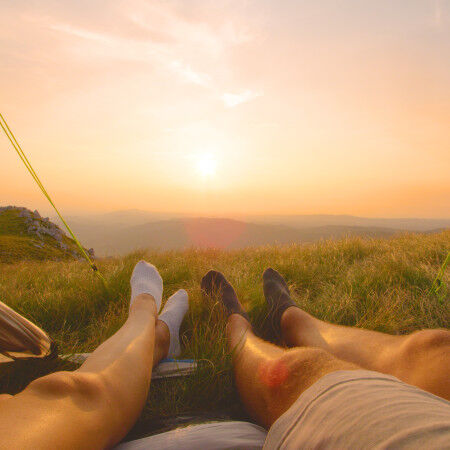
By choosing a pair of socks that are suited to your activity, your shoes, your foot type (arch, size, and the shape of both your right and left feet), and the conditions you’ll be facing, you’ll avoid blisters, chafing, moisture, and unpleasant surprises.