
The components of a hiking boot
The bike doesn't matter as long as you've got the pannier
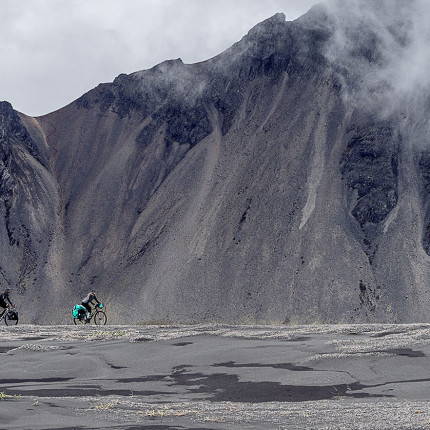
Whether you're leaving the asphalt behind and taking to the paths and tracks, or opting for a combination of the two, bikepacking means breaking the rules and taking on the bare minimum. Whereas the touring cyclist would load as much as possible onto the luggage rack, the bikepacker aims for the bare minimum. And with good reason. For a weekend trip or a longer itinerary, he'll make do with three or four lightweight, easy-to-handle panniers attached directly to the bike's seatpost, frame and handlebars with straps or Velcro. The emphasis here is on fluidity and freedom of movement.
Choosing the right equipment
Gravel bikes, mountain bikes and road bikes are all suitable for bikepacking, as long as they have three corners! Doing without a conventional carrying system is particularly appreciated during exercise, but also optimizes the distribution of loads on the bike and promotes overall stability. Balancing front and rear weight is obviously crucial. But these are not the least of bikepacking's advantages: by dispensing with the luggage rack, the bike is less bulky, the crew more maneuverable and more compact, a not inconsiderable plus on narrow trails, for example.
Light, light, light!
Getting started with bikepacking and preparing your trip couldn't be easier. In the end, the hardest part will be selecting your itinerary from the host of possible destinations. Numerous websites will provide you with a wealth of information. Our partner Visorando, for example, offers a wide range of routes throughout France.
Optimizing your bike's tubes
For the rest, less is more. In a word, you have to restrict yourself. We told you that simplicity was the credo of the discipline. The idea being to do without a backpack, bikepackers make do with three or four bags of different types, depending on their needs, the length of their trip and the conditions in which they will be riding. There's no shortage of products.
At Speck-Sports, we've selected two tried-and-tested brands for you: Germany's Ortlieb and England's Apidura.
If you've opted for a bivouac , you'll be able to pack a tent or tarp, a rug or an ultra-compact, lightweight sleeping bag in the frame bag offering the greatest volume. If you opt for a tent, be sure to choose a more compact model with highly segmented poles. Big Agnes offers two models.
The purchase of a handlebar bag (fixed directly to the handlebars) will enable you to store small items that can be carried with one hand: papers, telephone, snacks and energy bars, gloves, headlamp, etc.
The fork saddlebags can be used to store small items of bike repair equipment to ensure safe delivery, as well as a few items of clothing (one or two outfits maximum and a rain jacket, depending on the weather) and food. Numerous brands such as MX3, Voyager and Trek'n eat offer a wide choice of varied, satiating freeze-dried meals.
The saddle bag can hold compressible items such as clothing. By making the most of your bike's tubes, you can carry up to 50 l of gear, and even a little more if you've got a bit left over.
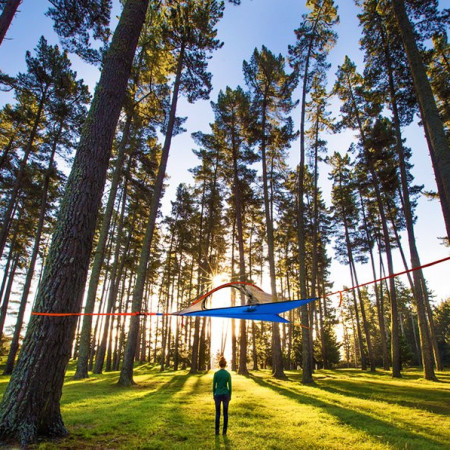
Discover Tentsile hanging tents, available from Speck-Sports. Lightweight and comfortable, they're easy to transport!
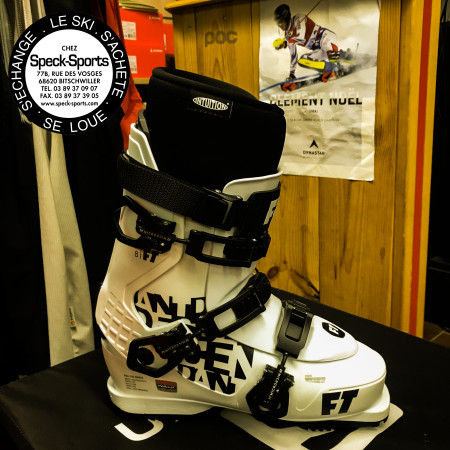
Freeride and freestyle ski boots for experienced skiers looking for a boot suitable for both sports.
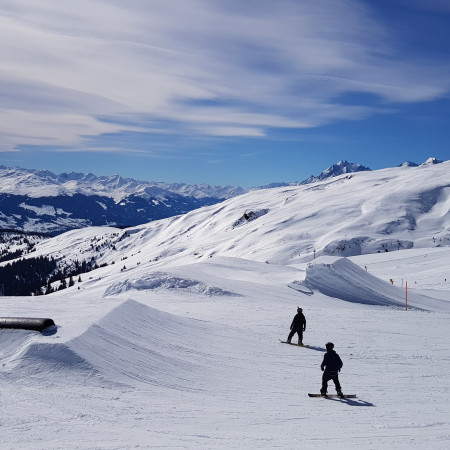
The new 2026 ski season brings a host of innovations and new models across all ranges, from the most accessible equipment to the high end. Whether you're an experienced skier looking for performance on the slopes, a ski touring enthusiast, or a freeride lover seeking thrills in deep snow, major brands such as Rossignol, Atomic, Stöckli, Blizzard, Nordica, and Völkl are unveiling skis suited to every level and style.
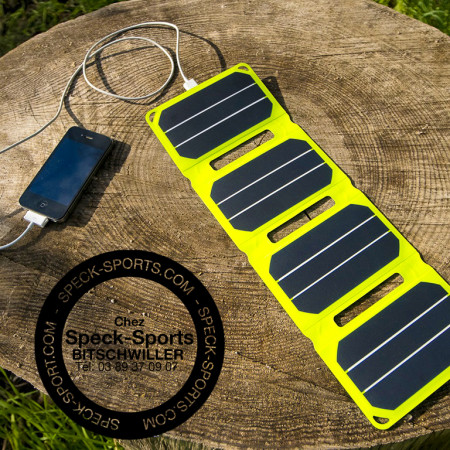
Lightweight and easy to attach, discover the new solution that lets you carry not energy, but a way of creating it.