

 English GB
- Fix included
- new 2027
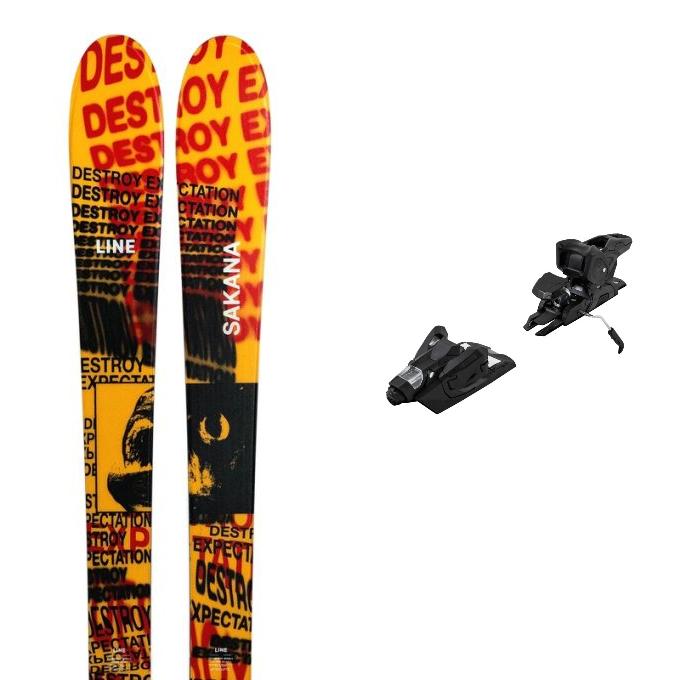

Founded in a garage in New York State in 1995, LINE has embodied a certain vision of skiing for thirty years: more fun, more creative, less conventional. A pioneer of twin-tip skis and modern freestyle, the brand has expanded its playground far beyond the park to now encompass alpine skiing, freeride, all-mountain, powder, and ski touring, without ever losing its DNA that goes beyond conventions.
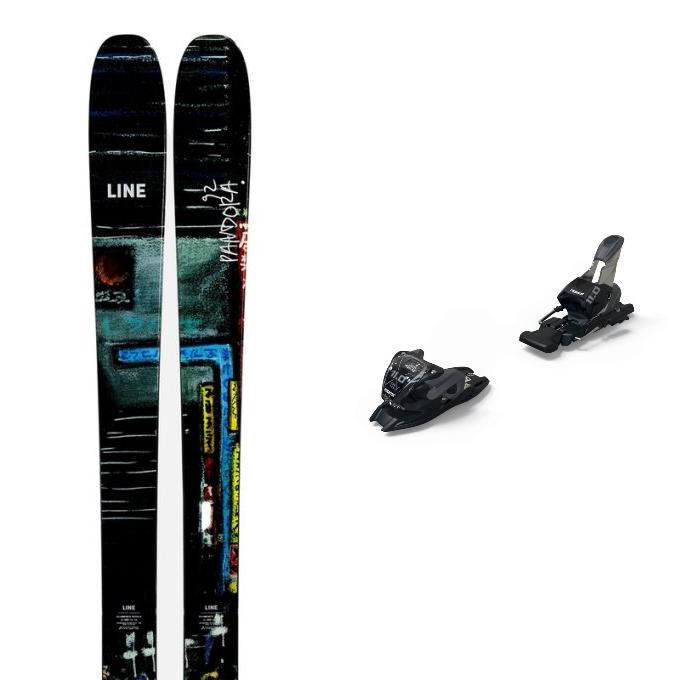
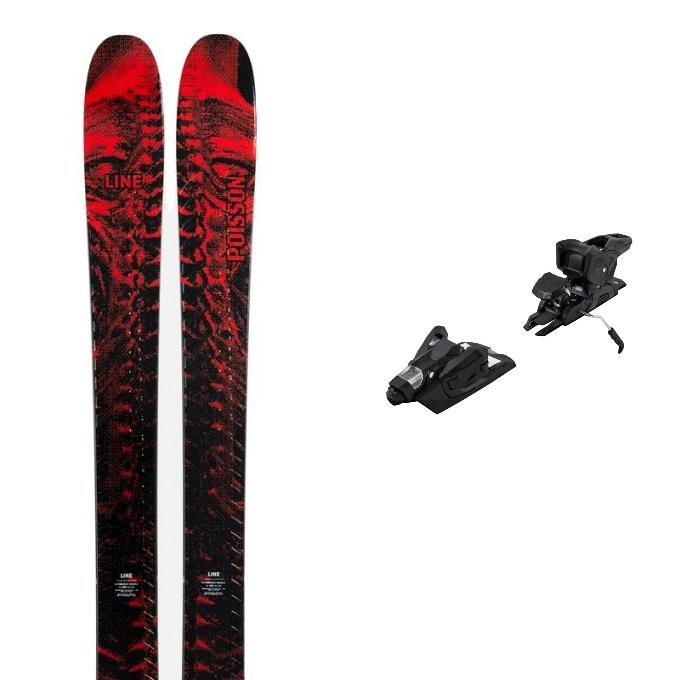
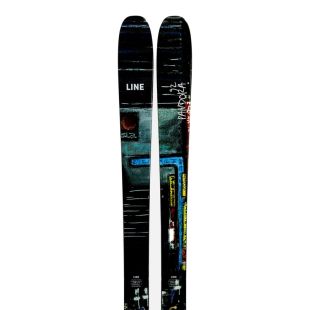
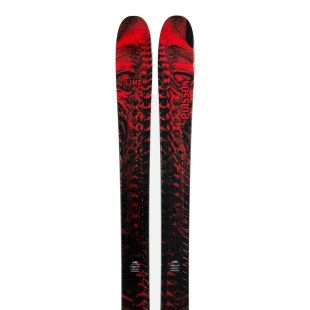
LINE was founded in 1995 in Albany, New York, in Jason Levinthal’s family garage. A product design student at the University of Buffalo, Levinthal built his first pair of twin-tip skis at age 21 using recycled materials: old edges, a wooden core from old boards, and a plastic base donated by a local snowboard factory. Convinced of his invention’s potential, he launched LINE Skis right after graduating, with a mission to make skiing “more fun.”
The first real turning point came in 1996, when the company—which until then had been able to produce a pair of skis in 24 hours—received a faxed order from Japan for 1,000 pairs. This order forced the brand to move out of the garage.
In 1998, Jason Levinthal and his friend Mike Nick competed in the very first slopestyle ski event at the X Games, winning bronze and gold, respectively.
In 1999, LINE developed the first full-length twin-tip ski, the Ostness Dragon (193 cm), in collaboration with skier Kris Ostness, which would grace the cover of Powder Magazine’s annual photo spread the following year.
In 2006, facing financial difficulties, LINE was acquired by K2 Sports, which provided the logistical resources to scale up production without compromising its identity.
In 2023, LINE introduced BioResin in its Bacon and Chronic skis, a bio-based resin that reduces the carbon footprint and improves durability. The following year, the brand adopted a fully gender-neutral lineup: no more “men’s” or “women’s” skis—LINE now produces “skis for people who ride hard.”
In 2010, LINE launched the Traveling Circus, a freestyle web series that has become the longest-running in ski history (18 seasons to date).
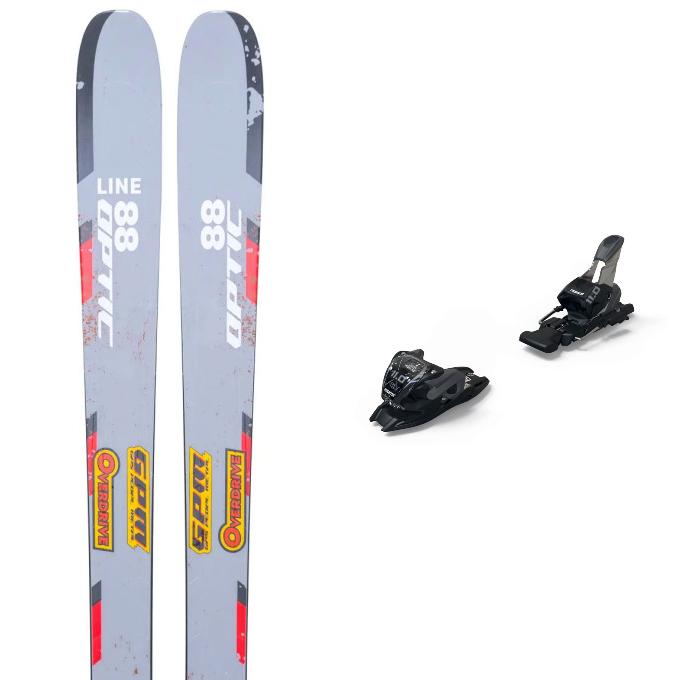
Several technical milestones mark LINE’s history. In 2004, the Chronic established itself as the go-to park ski, lightweight and reliable. Shortly thereafter, the Prophet series revolutionized freeride by offering wider, all-mountain freestyle-oriented skis, which were awarded SKI Magazine’s Ski of the Year in 2006. In 2015, Eric Pollard and LINE introduced the Magnum Opus with the ultra-lightweight Cloud Core™ construction, which reduces weight without sacrificing float. In 2018, the brand introduced the Sakana swallowtail shape. With a 105 mm sidecut, this versatile ski pushes the boundaries of versatility. In 2022, the Optic collection was launched with a titanal construction, combining the lessons learned from the Vision and the Blade to create what the brand describes as “the true modern freeride ski.” In 2023, the introduction of BioResin marked LINE’s commitment to integrating this technology into all of its new developments by 2026.
LINE offers a range of skis covering all mountain activities.
LINE has formalized its sustainability commitment starting in 2023 with the adoption of BioResin, a bio-based resin used in the construction of its skis. According to the brand, this system improves core cohesion and ski durability while reducing their carbon footprint. LINE is committed to rolling out BioResin across all newly developed skis by 2026 and to exploring other alternative materials to take this initiative even further. The transition to a fully gender-neutral catalog in 2024 is part of the same responsible evolution: reducing the number of product variants to offer broader and more inclusive size ranges.