

 English GB
Ski touring helmets
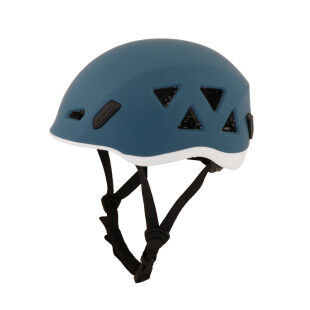
The ski touring helmet reinvents protection in the mountains: ultra-lightweight (under 400 g compared to over 650 g for a classic alpine helmet), generous ventilation, and adjustable head circumference to keep up with every climb without weighing down your bag. Designed with an in-mold shell and high-density EPS foam, the ski helmet combines certified safety and extended comfort, so that every transition is made with complete peace of mind and lightness.
Lire +
Ski touring helmets
Why should you wear a helmet when ski touring?
Whether you are an experienced ski tourer or a beginner, wearing a helmet is essential. It protects against impacts from falls, avalanches, or natural obstacles such as branches and rocks. In addition, some helmets are equipped with advanced technologies in the shell, such as MIPS (Multi-Directional Impact Protection System), which reduces rotational forces in the event of an oblique impact, thereby improving safety.
Ultra-lightweight and durable, it weighs less than 400 g thanks to its polycarbonate in-mold shell and high-density EPS foam. Add MIPS technology to absorb oblique impacts, and you get protection tailored for both ascents and descents.
Choosing the right ski touring helmet
A good ski touring helmet combines lightness, comfort, and safety to accompany you on every ascent and descent. Here are the essential criteria to check before buying:
- Lightweight: stay cool on the ascent with a model weighing less than 400 g.
- Adjustable ventilation: adjust the ventilation according to your effort and the temperature.
- Goggle compatibility: ensure a perfect fit or opt for an integrated visor.
- Safety standards: choose helmets certified to EN 12492 (mountaineering) and EN 1077 (skiing).
- Advanced construction: in-mold polycarbonate shell, high-density EPS foam for strength and shock absorption.
Ski touring helmet prices
At Speck Sports, the most affordable ski touring helmet starts at $60 (Petzl Boreo), while ultra-technical, multi-standard models can cost up to $210 (Salomon MTN Lab). On average, expect to pay around $130 for a helmet that combines lightness, comfort, and safety.
| Budget | Model | Price | Advantage |
|---|---|---|---|
| Entry level < $80 |
Petzl Boreo Petzl Picchu helmet |
$52 $60 |
Lightweight, budget-friendly |
| Mid-range $80–$120 |
Diezz Granit Alpi-Rando Atomic Backland UL Red DIEZZ Spott |
€88 €90 €100 |
Adjustable ventilation Dual standard Integrated visor |
| High-end > $120 |
Dynafit TLT Winter Moss Atomic Backland UL CTD Salomon MTN Lab |
€120 €156 €180 |
Carbon construction In-mold shell MTB/Alpine certification |
These ranges cover both men's and women's ski touring helmet needs, with models adapted to different body types, practices, and levels of demand.
Alpine ski helmet vs. ski touring helmet: what are the differences?
Do you dream of a single helmet that can do it all? Be careful: alpine skiing and ski touring have different requirements.
- Weight: touring helmets weigh 150-400 g, compared to 600-750 g for an alpine helmet. On long climbs, every gram counts.
- Ventilation: touring = large adjustable vents for prolonged effort. Alpine = more limited ventilation, better suited to speed.
- Construction: touring = lightweight in-mold + EPS, designed for lower/slower impacts than downhill skiing. Downhill = ABS or polycarbonate shell + robust foam, designed for high-speed impacts.
- Standards: touring = EN 12492 (mountaineering), alpine = EN 1077 (skiing). A touring helmet is not necessarily tested for high-speed side impacts.
Can you ski downhill with a touring helmet? Technically yes, but you sacrifice comfort, protection, and compliance with standards. At high speeds or in snow parks, opt for a real downhill ski helmet. For touring and gentle descents, your touring helmet will do the job. Choose according to your main use: each activity deserves its own dedicated equipment.